


Start with what you actually use
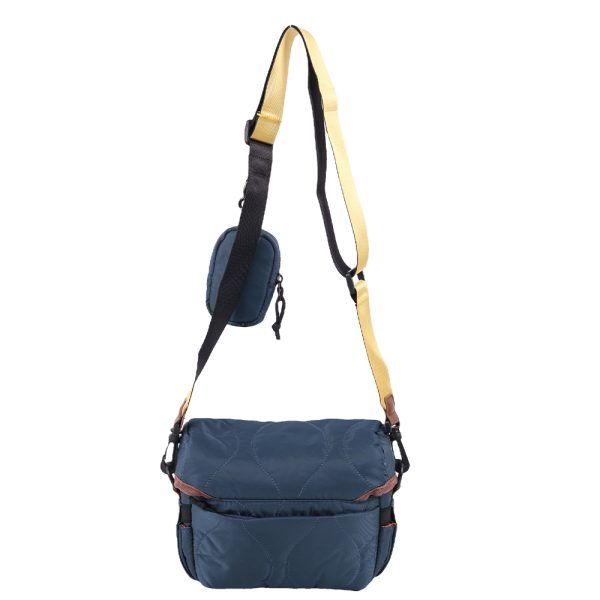
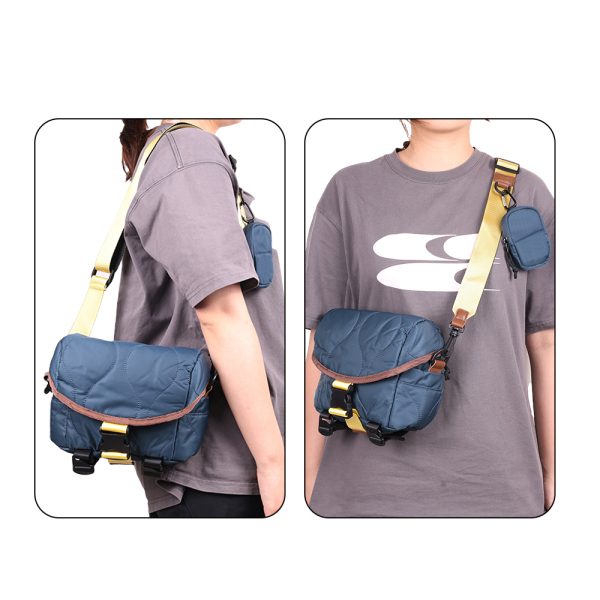
A lot of folk buy gear for the look of it, not how it behaves on a sodden morning. Start by listing what you carry every shoot — one body, a spare, two lenses, filters, a small tripod — then choose a shape that matches that list. If you want quick, single-shoulder access for street runs or a short walk to a ruin, consider a camera sling bag that sits tidy on your hip and won’t have you faffing about when a shot appears.
Fit, protection, and access — the nuts and bolts
Your bag must answer three plain questions: does it carry everything snugly, will it defend the kit if the weather turns, and can you reach kit without unpacking your life? Look for configurable dividers that lock lenses in place, fabric with proven water resistance, and pockets positioned for your dominant hand. Folks often overbuy space; extra volume means gear sliding about, which leads to bumped lenses or worse. Choose a balance: a compact modular interior and a quick top or side access for the items you need first.
Common mistakes and how to avoid ’em
People assume all padding is equal. It isn’t. Thin foam plus lots of fabric won’t stop shocks — dense, well-placed padding does. Don’t mistake fancy straps for comfort; check strap width, load distribution, and how the bag rides on the body while moving. Another error is picking modularity for its own sake: too many removable bits can rattle loose and steal time. Test configurations at home with your exact kit to spot fiddly setups before you buy.
Experience, credentials, and a real-world test
I’ve packed for sunrise shoots on the western fells and know how gear behaves when the drizzle turns to proper rain. That sort of field time matters, and trade shows and testing labs back up what you feel on the hill. For wet-weather shoots around the Lake District, for example, a proper waterproof camera bag keeps kit safe and lets you focus on composition, not mopping lenses. Trust comes from repeated use and transparent specs: materials listed, IP ratings where they exist, and clear warranty terms.
Viable alternatives — quick comparisons
If you move between city and countryside, a convertible modular backpack that switches to a sling or brief mode can be handy. Hard-shell cases beat soft bags for heavy travel but are bulky for strolls. Dedicated shoulder sling bags win at speed but can strain on long hikes; harness-style modular packs distribute weight better for long carries. Choose by primary use: short, fast access favors slings; mixed terrain favors modular backpacks with load-bearing straps and sternum support.
Final thought — what to carry forward
Make choices that solve real problems: secure fit, weather protection, and fast access. If you want a sensible balance — tidy modular interiors, solid weather resistance, and straightforward handling — the sort that lasts from a damp morning on the moors to a busy urban shoot, then look for designs that answer those needs plainly. That’s the sort of solution I keep going back to with ChangRong, where thoughtful details meet the sort of no-nonsense build you can rely on.
