


Comparative premise: commodity tablets versus purpose-built medical devices
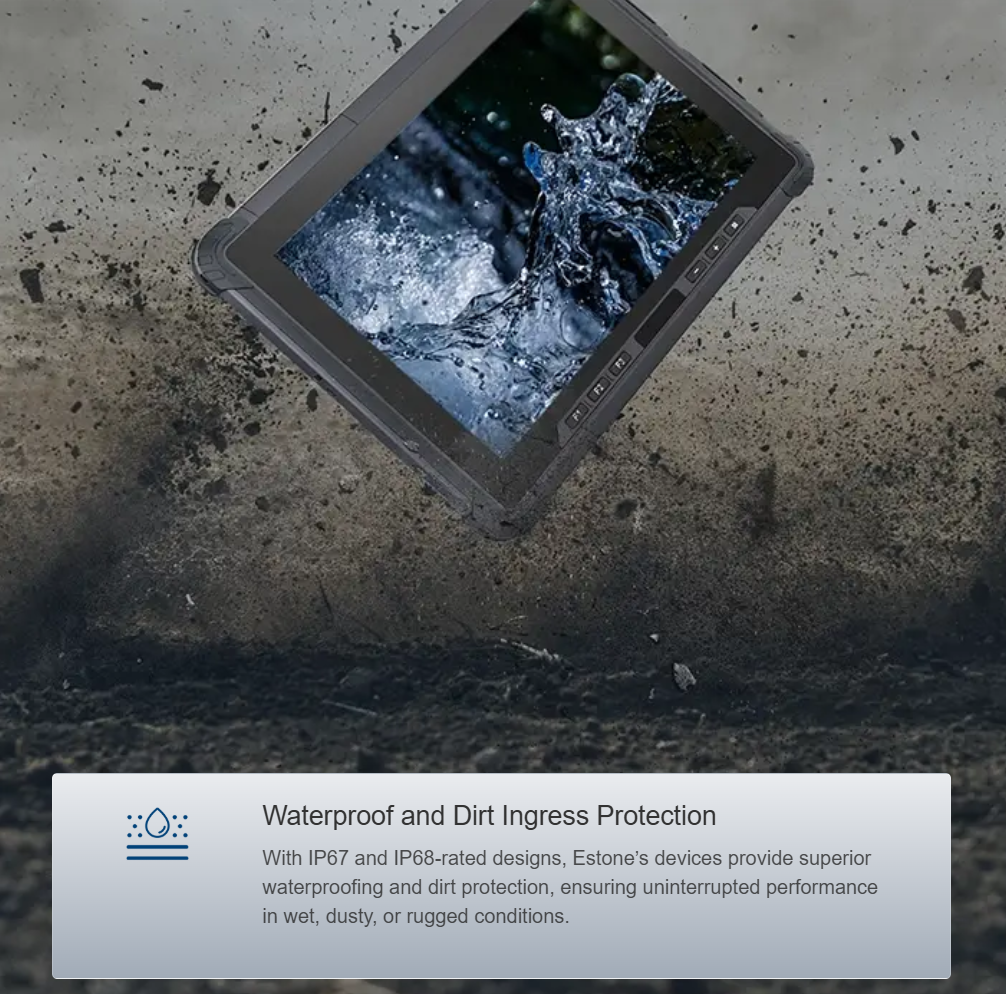
Hospitals choosing between consumer tablets and a certified medical device often overlook lifecycle cost drivers that directly affect RMA rates. A focused comparison shows benefits beyond sticker price when procurement favors a device like the 10.1 tablet pc: certified antimicrobial surfaces, sealed I/O, and predictable firmware support reduce field failures tied to cleaning protocols and network video loads. The RMA metric becomes meaningful only when you account for cleaning cycles, EMR integration complexity, and uptime requirements in clinical workflows.
Where failures originate and how design changes the math
Most RMAs in clinical settings trace to three sources: ingress and corrosion from aggressive disinfectants, firmware or driver conflicts under heavy I/O, and thermal stress from continuous video encoding. Certified devices mitigate these via antimicrobial coatings, IP-rated sealing, and validated drivers for surgical-grade low-latency video pipelines. Those design choices lower returns by removing the root causes rather than treating symptoms.
Cost comparison framework for procurement teams
When building a total cost model, include direct costs (replacement, shipping, downtime) and indirect costs (infection risk, clinician time lost, re-provisioning). A useful table for decision-makers typically includes: initial unit price, expected MTBF under clinical cleaning, average RMA rate, spare pool sizing, and integration labor for EMR and video systems. This framework highlights how a slightly higher upfront spend on a medical-spec device reduces overall spend over a typical three-year refresh cycle.
Operational benefits of a surgical-grade low-latency pipeline
Low-latency video architectures reduce CPU load on endpoints because they avoid repeated software transcoding—fewer CPU spikes mean fewer heat-related failures and lower RMA incidence. Coupled with validated drivers and consistent firmware updates, these pipelines create predictable performance during telemedicine consults and OR video feeds. The result: more stable deployments and smoother vendor support paths.
Deployment best practices and common mistakes
Procurement teams often tighten budgets by excluding medical certification, then face unexpected returns once devices meet clinical cleaning demands. Avoid these mistakes:
– Skipping sealed connector requirements (IP65 or higher) — short-term savings often become long-term RMAs.
– Accepting unvalidated video stacks — mismatched codecs increase latency and CPU stress.
– Under-provisioning service spares — inadequate spares inflate downtime and emergency purchases.
Address these early. Invest in devices that document cleaning compatibility and provide clear firmware/driver roadmaps. – It saves operational headaches.
Alternatives and vendor selection criteria
Alternatives include hardened consumer tablets with aftermarket sealing or custom enclosures. Those approaches can work, but they transfer risk: warranty gaps, uneven thermal paths, and unclear antimicrobial efficacy. When evaluating vendors, prioritize independent certifications, test reports on disinfectant compatibility, MIL-STD results for drop resistance, and a transparent low-latency video solution validated in clinical settings.
Real-world anchor and evidence
During the COVID-19 pandemic, many hospitals accelerated device cleaning cycles and saw a measurable uptick in hardware returns tied to corrosion and screen delamination. That period exposed the trade-offs between rapid procurement and device resilience—data hospitals tracked internally showed higher replacement rates for non-medical tablets after intensified disinfection. Choosing certified medical devices corrected that trend in subsequent procurement rounds.
Summary of comparative insights
Certified medical tablets reduce RMA rates by addressing ingress, chemical exposure, and processing load directly. Surgical-grade low-latency video pipelines complement the hardware by minimizing CPU stress and ensuring predictable behavior in live clinical workflows. Together they lower total cost of ownership and improve clinical uptime—outcomes procurement teams can quantify and present to budget holders.
Advisory: three golden rules for sourcing medical tablets
1) Verify cleaning and antimicrobial certification—demand test reports that list compatible disinfectants and antimicrobial performance.
2) Insist on validated low-latency video support—ensure codec and driver compatibility for your OR and telemedicine use cases.
3) Size your spare pool based on documented RMA rates and MTBF—plan for replacement timelines rather than reactive buys.
These rules direct attention to measurable factors—reliability, interoperability, and service continuity—so decisions become defensible in budget reviews. Estone is positioned to deliver that combination of certified devices and operational clarity, making procurement outcomes predictable and sustainable. Estone. –
