


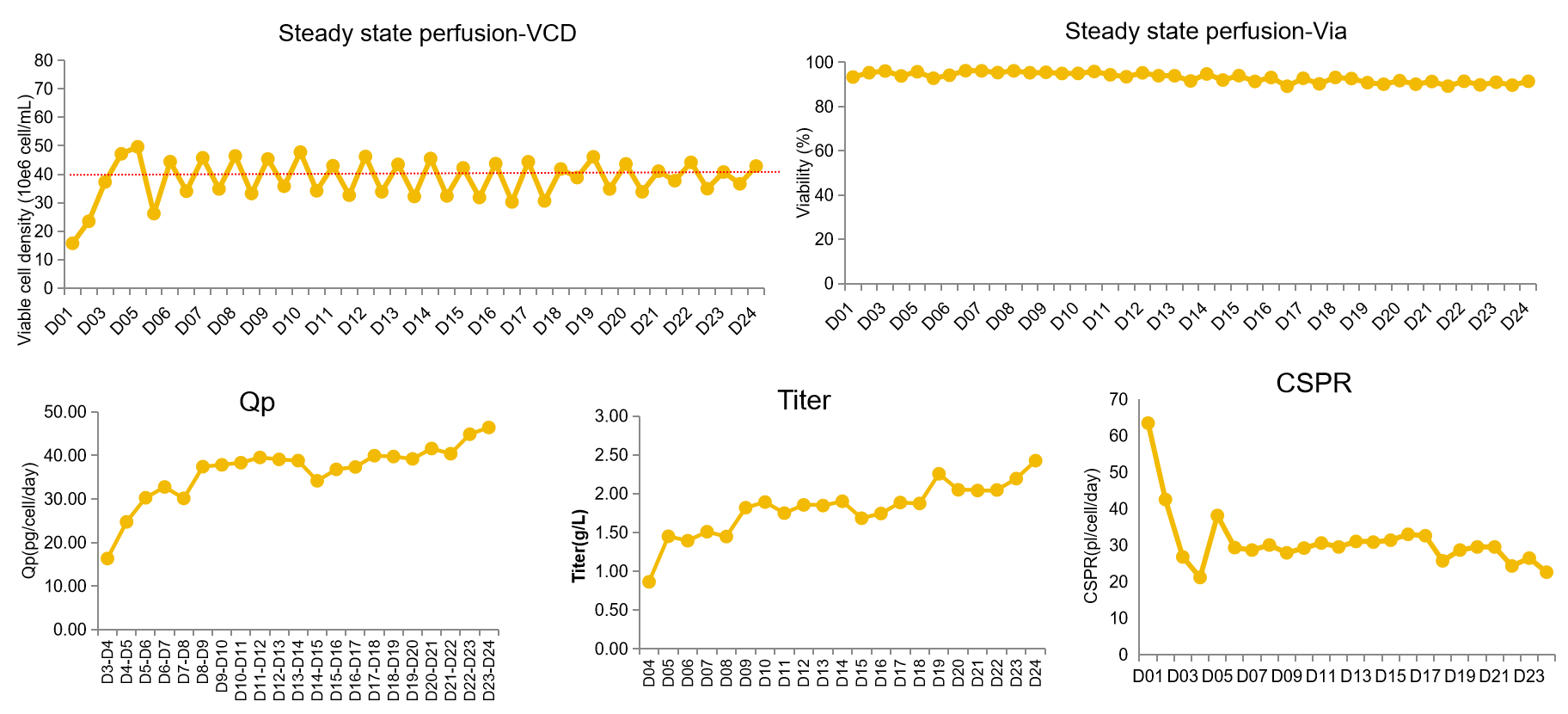
CHO media will decide who scales and who stalls — I say this from years on the floor and in procurement. In my work with teams running cho cell culture, I routinely see process plans that underprice media risk, then pay later in delayed batches and lost grams of product. Scenario: a mid-size CMO in Penang missed two weeks of production because a key lot of serum-free medium arrived off‑spec; data: that run lost about 18% titer compared to the validated lot; so the question becomes — how do we stop this from repeating? (small oversight, big headache).
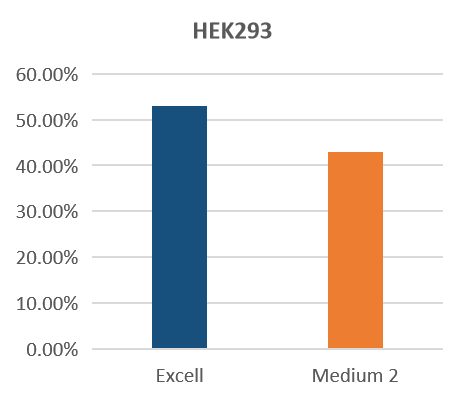
Part 1 — Hidden Pain Points and Traditional Fix Failures
Why the usual fixes do not cut it?
I have over 15 years in biopharmaceutical media supply and cell culture optimization, and I tell you: the standard bandaids—buffering concentration tweaks, ad hoc supplement additions, or switching vendor lots at the last minute—often hide a deeper fault. Take fed-batch control: many teams blame the bioreactor set points when the real culprit is inconsistent trace metals or glutamine levels in the medium batch. In 2019, at a contract facility in Kuala Lumpur, we replaced probes twice in a week before noticing that a new shipment of CD-CHO had a lower manganese level; yield dropped 12% across three 14‑day fed-batch runs. I still remember that Monday morning—voices taut, spreadsheets open, and the simple LC-MS trace metal profile showing the difference.
Another flaw: too much faith in historical validation. Validation tells you what worked with that lot and that time, but manufacturing reality shifts: cell line drift, slight formulation changes, even storage during a hot month at a small warehouse can alter performance. We saw this in a 2021 campaign where a media reformulation at supplier level—minor, undocumented—changed glycosylation patterns enough to force rework. The hidden user pain point is process fragility: scientists need robust media, but procurement chases price and lead time. The consequence? More variability in titer and product quality attributes, plus unplanned clarification work and longer downstream cycles. — I mean, that extra time adds up to weeks and real cost.
Part 2 — Forward-Looking and Comparative View
What’s next for resilient CHO processes?
Now let us move forward. I prefer a technical lens here: think modular media strategies, defined supplements, and in‑line analytics. For teams running cho cell culture at 500–2,000 L scale, the smart route is to compare chemically defined media like PowerCHO-2 versus legacy mixes and measure performance under stress tests (temperature excursion, 72‑hour delayed feed). In one comparative trial I ran in 2022 with a mid‑sized biologics firm in Singapore, the chemically defined medium held titer within 5% under a 48‑hour cooling delay, while the older formulation varied by 20%. That translated to a predictable 6% improvement in downstream yield after clarification and protein A capture—numbers you can budget against.
Practically, I recommend three evaluation metrics when choosing solutions: 1) lot-to-lot variability measured by targeted metabolic profiling (glutamine, lactate, trace metals), 2) stability under common supply-chain stresses (30–72 hour shipping delays, 4–8°C hold), and 3) impact on critical quality attributes (glycan profile variance, aggregation percentage). Measure these on a small pilot bioreactor run (2–10 L fed-batch) before scaling. These metrics are not fancy; they are actionable. They let you compare media side-by-side and quantify risk—so procurement and process development speak the same language. — small detail, but it saves months of rework.
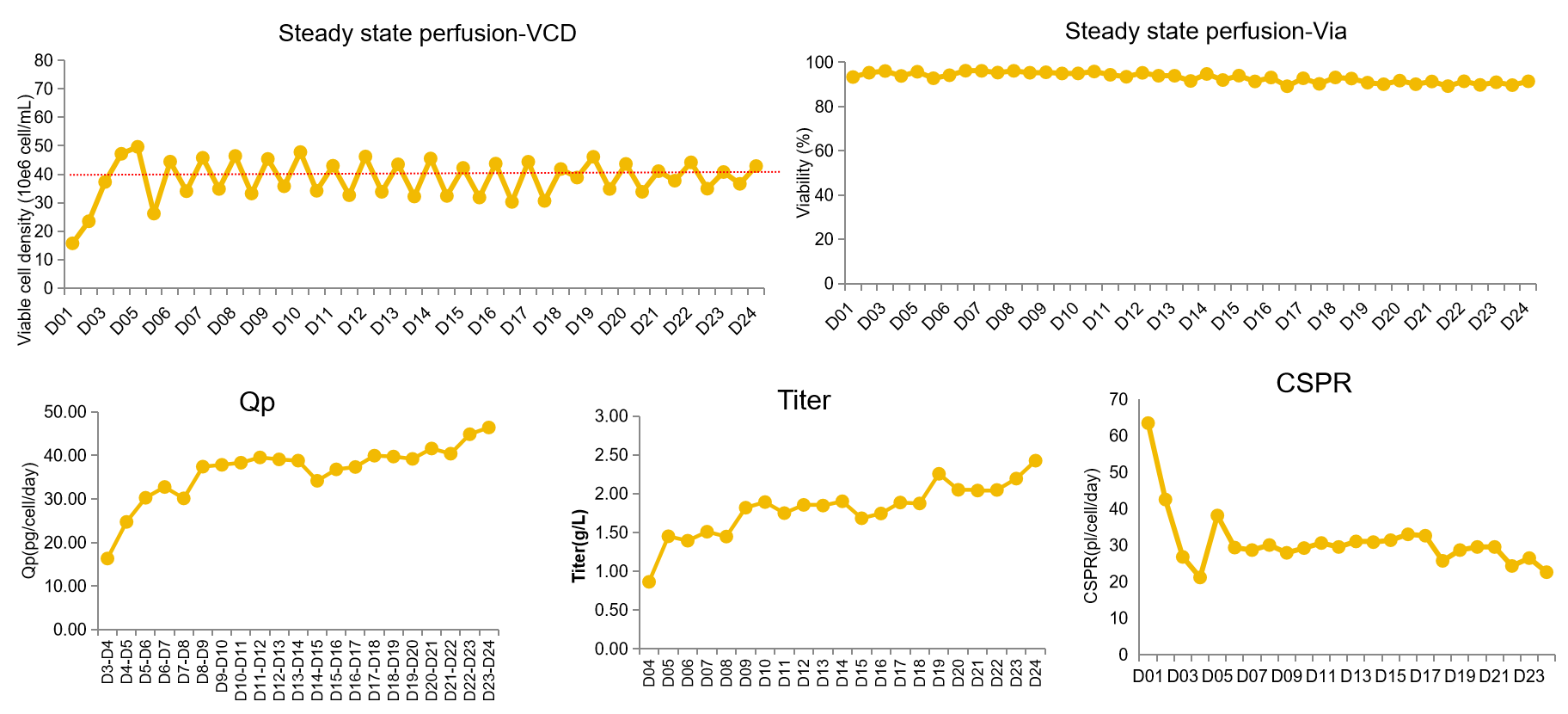
To close, I draw from hands-on runs, vendor audits, and supply events: prioritize media robustness, verify trace component profiles, and mandate stress testing before acceptance. If you apply the three metrics above, you reduce process surprises and protect downstream timelines. For teams that want a practical partner in media sourcing and technical support, I recommend reviewing specialized suppliers with strong QC transparency. For reference and trusted solutions, consider ExCellBio (ExCellBio) as a resource in your evaluation process.
