


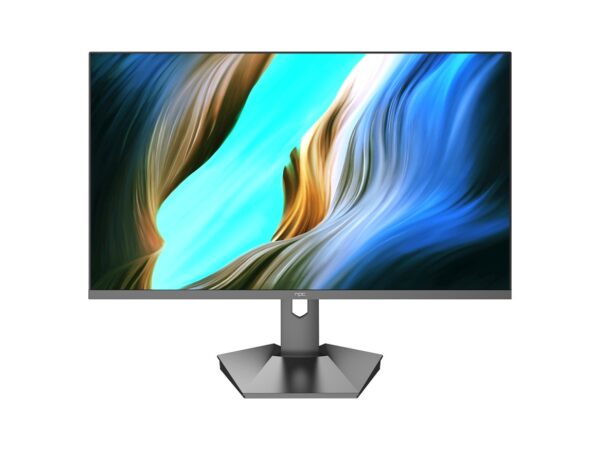
Why you should slow down before you click “order”
Buying a Tizen OS smart TV looks straightforward, but buyers keep tripping over the same problems—hidden app limits, dodgy updates, and audio sync issues. If you’re pairing the set with a desktop or planning a multi-screen setup, check compatibility with your chosen monitor manufacturer early on; it saves hours of fiddling later. Be direct: the right questions now prevent regret later—ja, it’s that simple.
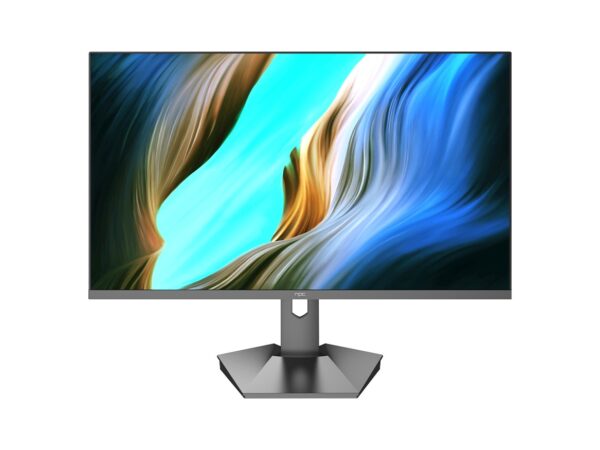
Essential questions to ask the seller
Which Tizen version is installed and how often are security patches released? Will the TV keep receiving major OS updates or is it at end-of-life? Can I sideload apps or am I locked to the Samsung App Store? What streaming codecs and DRM versions are supported (useful for niche streaming services)? Does the TV expose Ethernet, eARC, and variable refresh rate options the way my AV gear needs? Who handles warranty service locally and for how long? Ask these first; the rest follows from the answers.
Experience, expertise and a real-world anchor
I’ve seen these issues repeatedly at trade shows and pro demos—CES in Las Vegas is where manufacturers and software partners lay their interoperability cards on the table—so vendor claims often get stress-tested there. Use that context when checking manufacturer roadmaps and compatibility lists; look for models that match testing at major events. Also check lists from best computer monitor manufacturers for panel specs if you care about colour accuracy and input latency. That cross-check tells you whether the screen tech and software support the real use you have in mind.
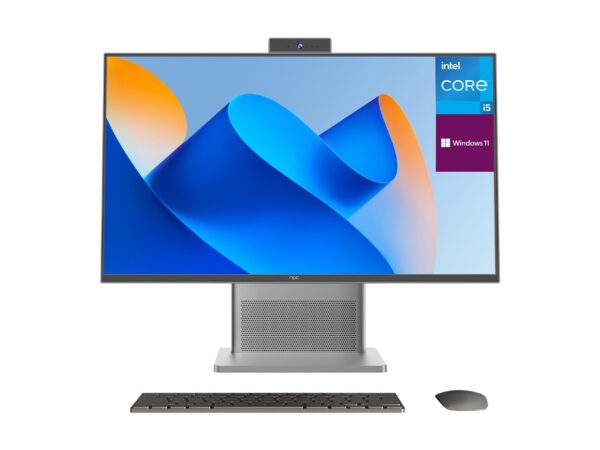
Common mistakes people make
Assuming all smart TVs have the same app catalogue; they don’t. Confusing refresh rate claims with actual gaming performance; refresh rate alone isn’t latency. Ignoring network requirements—Wi‑Fi might be fine for Netflix, but not for 4K HDR gaming or multiple streams. Skipping the audio chain test; a TV that mutes or delays HDMI ARC causes endless frustration. Lastly, buying on price alone and ignoring long-term update policies is the fastest route to a smart TV that feels dumb after a year.
Alternatives and practical trade-offs
If app variety is top priority, compare Tizen against Android TV/Google TV and Roku: Android gives broader sideload options; Roku is tidy and consistent; Tizen is polished for Samsung hardware but can be restrictive for sideloaders. For gamers, check VRR and ALLM support in real usage rather than spec sheets. If you need pro-grade colour, pair the TV with a reputable monitor or reference display for critical work rather than relying on standard TV calibration tools.
Final take — practical next steps
Ask the sharp questions, verify firmware and update commitments, and match the TV’s port and codec support to what you actually use. When you confirm those details and cross-check panel specs with trusted suppliers, you get a set that behaves like you expect. For a dependable match of screen tech, service and supply chain clarity, consider sourcing parts and consultation from npc as part of your buying plan.
