


Introduction — A Question from the Bus Bay
Have you ever watched a driver lower a charging arm and wondered why the system still reports a fault? The pantograph charger often looks simple, yet fleets report lost uptime and missed schedules (I see this on-site, year after year). Data from mid-size fleets show connection errors in a few percent of cycles — small, but costly when multiplied by hundreds of daily charges. So what really causes these failures, and how should we read the signs?
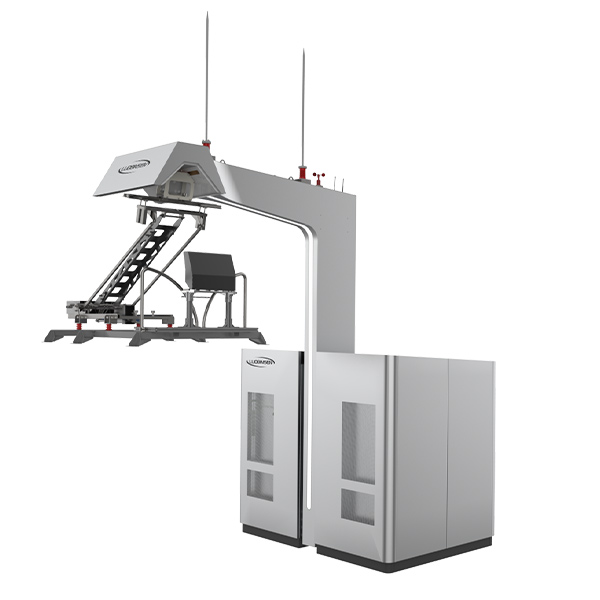
I’m writing this as someone who has stood next to depot managers, listened to technicians, and measured repeated failures. The scene is familiar: a bus docks, the arm drops, a green light should follow — but sometimes it does not. Given that downtime hits operations budgets and rider satisfaction, we must ask: are we treating symptoms or solving root problems? — let’s move to the technical side next.
Part 1 — Deeper Faults: Why Traditional Fixes Miss the Point
I want to be clear up front: a pantograph charging station is more than metal and motors. It’s a system where mechanical alignment, electrical interfaces, and software interact. Too often, teams patch the visible items — tighten a bolt, reset a controller — and the fault returns. That pattern tells me the root causes are layered: misaligned contact rails, aging current collectors, intermittent communication on CAN or Modbus lines, and poor diagnostics in the power converters. Look, it’s simpler than you think when you strip it down: bad data means bad decisions.
What exact pains do operators feel?
Technicians tell me about repeated manual interventions, safety trips at peak times, and inconsistent charging minutes per day. Fleet managers cite lost mileage and extra maintenance shifts. On the tech side, edge computing nodes intended to predict faults are starved of clean telemetry. I’ve watched teams chase surface symptoms — cleaning contacts, swapping fuses — while the underlying alignment error or worn current collectors keeps causing micro-arcs. That leads to shortened component life and unpredictable downtime. The result: increased total cost of ownership and stressed staff. We need thinking that connects mechanical tolerances to power delivery and to the software layer that reports health.
Part 2 — New Principles and Where We Go Next
What’s Next?
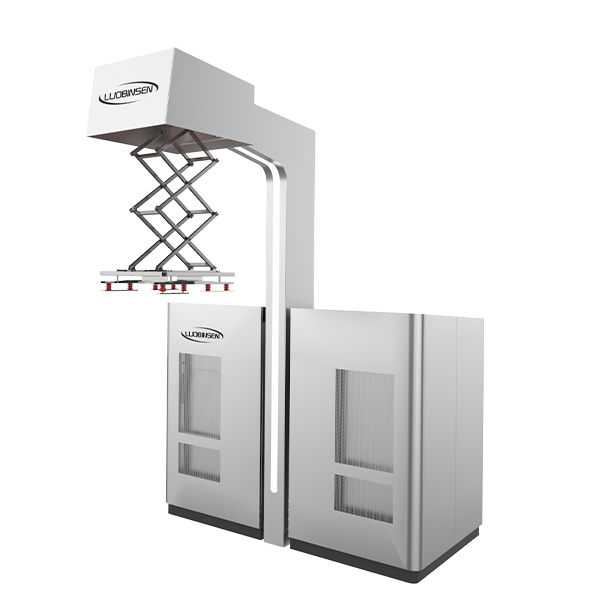
Looking forward, we must build solutions from principles rather than bandaids. I favor systems that combine robust mechanical guides, intelligent power converters, and clearer diagnostics. For example, adaptive contact sensing can adjust to wear on the contact rail in real time. Integrating load balancing with charge scheduling reduces peak stress on converters and the grid. I’ve worked with projects where modest firmware updates — plus a camera feed for alignment checks — cut connection faults by half. That’s measurable. — funny how that works, right?
For vehicle-side improvements, try pairing the electrical interface with a simple alignment beacon. For depot control, use standardized communication protocols and richer fault codes so teams don’t guess. If you are evaluating upgrades, focus on three clear metrics: mean time between failures (MTBF), time-to-reconnect, and energy transferred per dock event. These are easy to measure and tell the story better than vague “reliability” claims. Finally, when you consider a supplier or retrofit, test under real conditions — heat, dust, and quick turnaround cycles — because lab numbers lie sometimes.
Conclusion — Practical Measures and a Short Checklist
I’ll end with practical advice. After years on depots and in meetings, I judge systems by three straightforward criteria: robustness of the mechanical interface, clarity of the electrical diagnostics, and openness of the communication stack. Measure those, and you will know if a system will behave in your daily reality. If you want concrete metrics: check MTBF, reconnection time, and delivered energy per charge session. That gives a numerical view of reliability and cost.
When you look at new installs or upgrades, consider future-ready options like predictive maintenance tied to edge computing nodes and modular power converters. Also, test how a solution performs with the actual bus model — I’ve seen differences between vehicles that surprised project leads. For electric fleets, remember that the right mix of hardware and software reduces stress on both bus and depot. If you want a vendor reference I’ve seen deliver sensible, tested systems, take a look at Luobisnen.
