


Comparative Insight: Reading the Price Beyond the Sticker
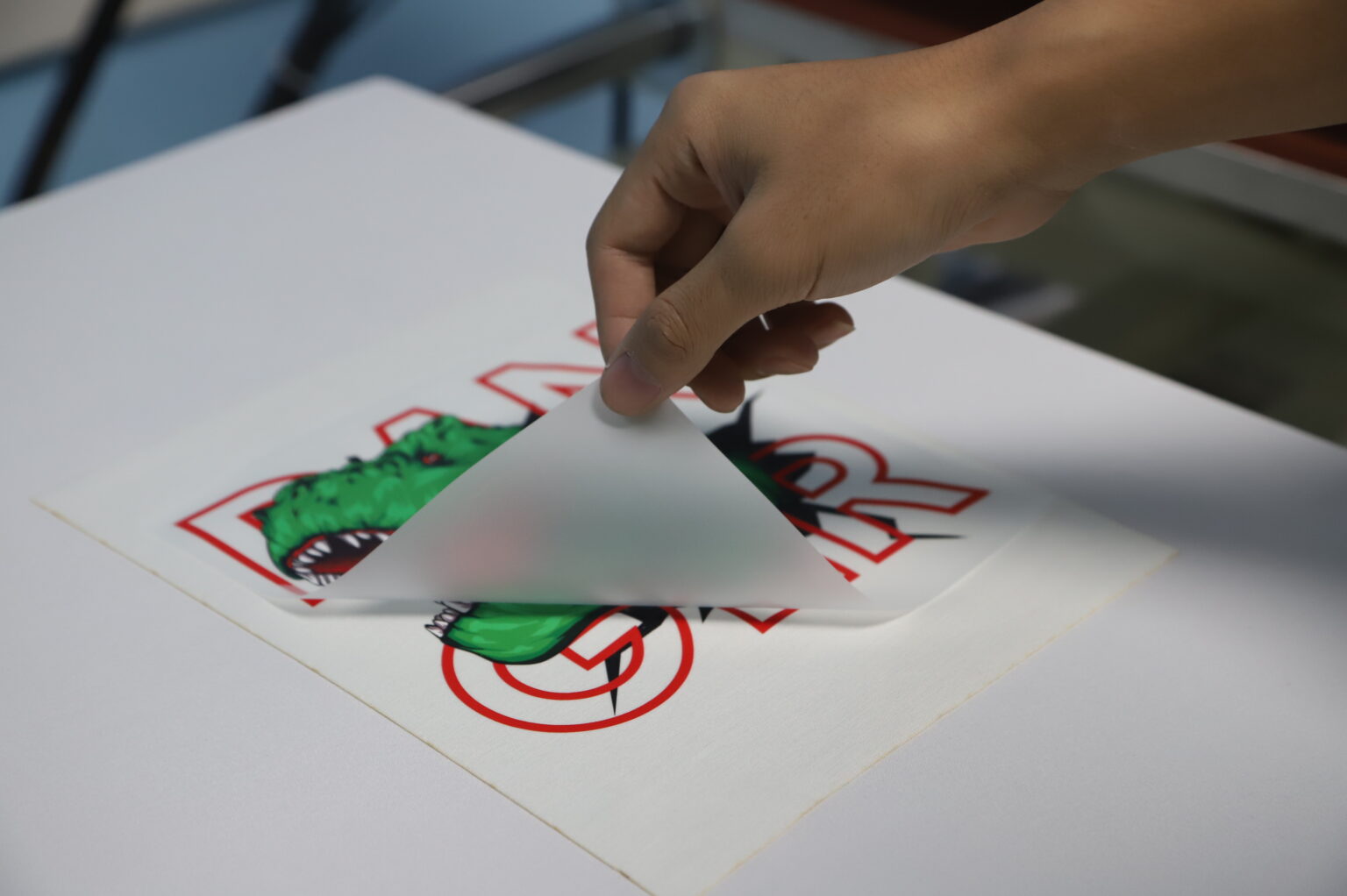
I’ll start blunt: the sticker is the smallest number you’ll spend on an A1 machine. A dtf printer might look like a straight swap for heat transfer or screen setups, but price is a system, not a tag. If you’re combing through an a1 dtf printer price sheet right now, pause. Picture a January rush in a cold Cleveland warehouse, 340 hoodies queued, and the truck locked at 7:00 a.m.—do your numbers survive the freeze, the reprints, the missed cure?
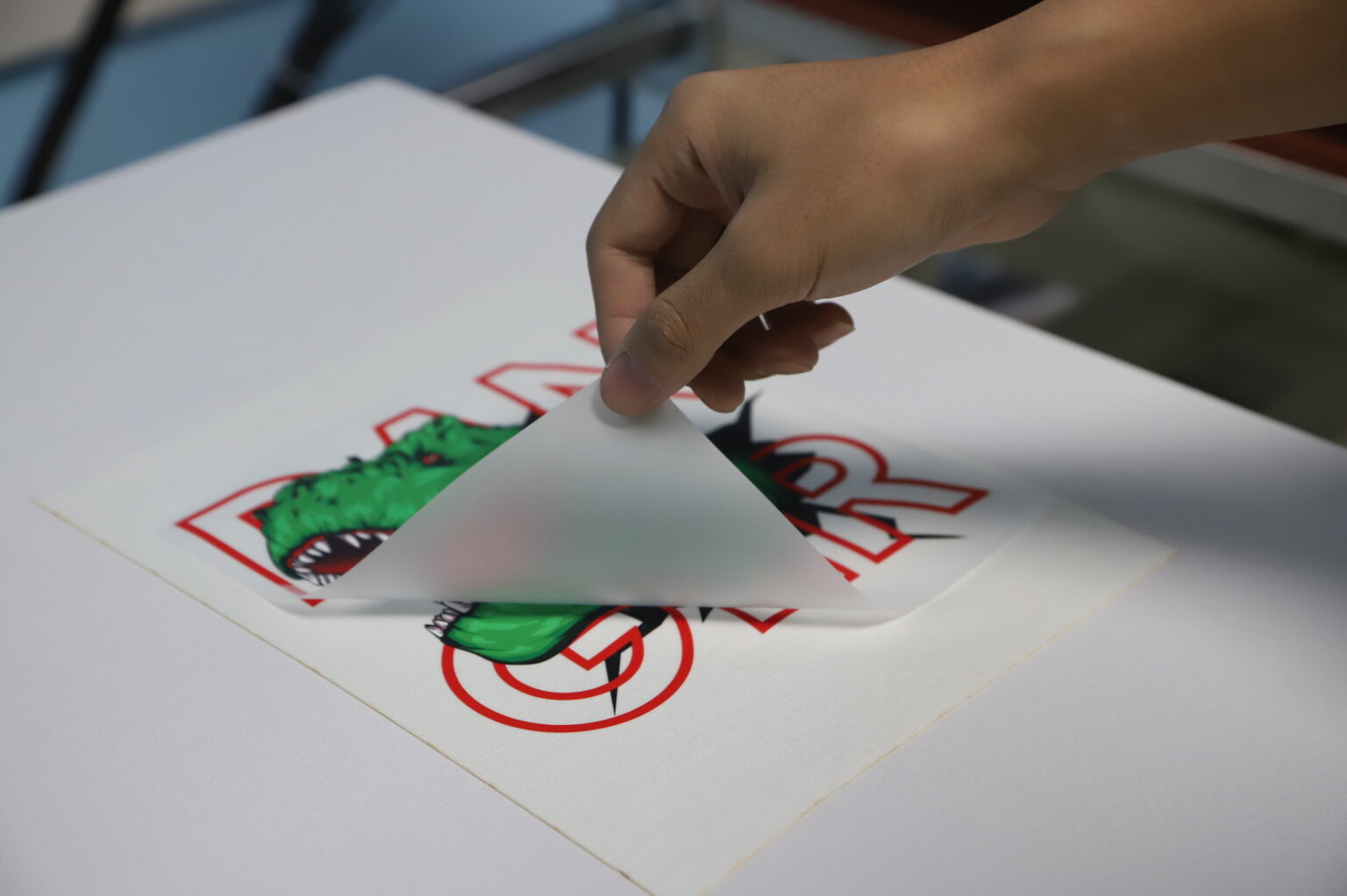
I’ve run B2B apparel programs for 16 years, from a 2014 Shenzhen pilot with a 60 cm rig to a 2022 Atlanta rollout using a full A1 with inline shaker. The breaks always hide in three places: ink physics, motion control, and handling. White ink circulation sounds boring; it’s not. If the loop fails, nozzle checks spike and you’ll waste 8–10% more ink on purges—ask me about the week in 2019 when a stuck capping station cost us $0.31 extra per print across 1,200 pieces (yeah, that stung). RIP software and ICC profiles can either smooth gradients on PET film or turn blacks muddy, forcing reprints. Platen temperature drift by even 5°C can ghost edges after powder cure. These aren’t hypotheticals; they’re tiny leaks—constant, silent, expensive. Let’s pivot from pain points to signals you can actually read.
Forward Look: Price Versus Capability in the Next Cycle
What’s Next
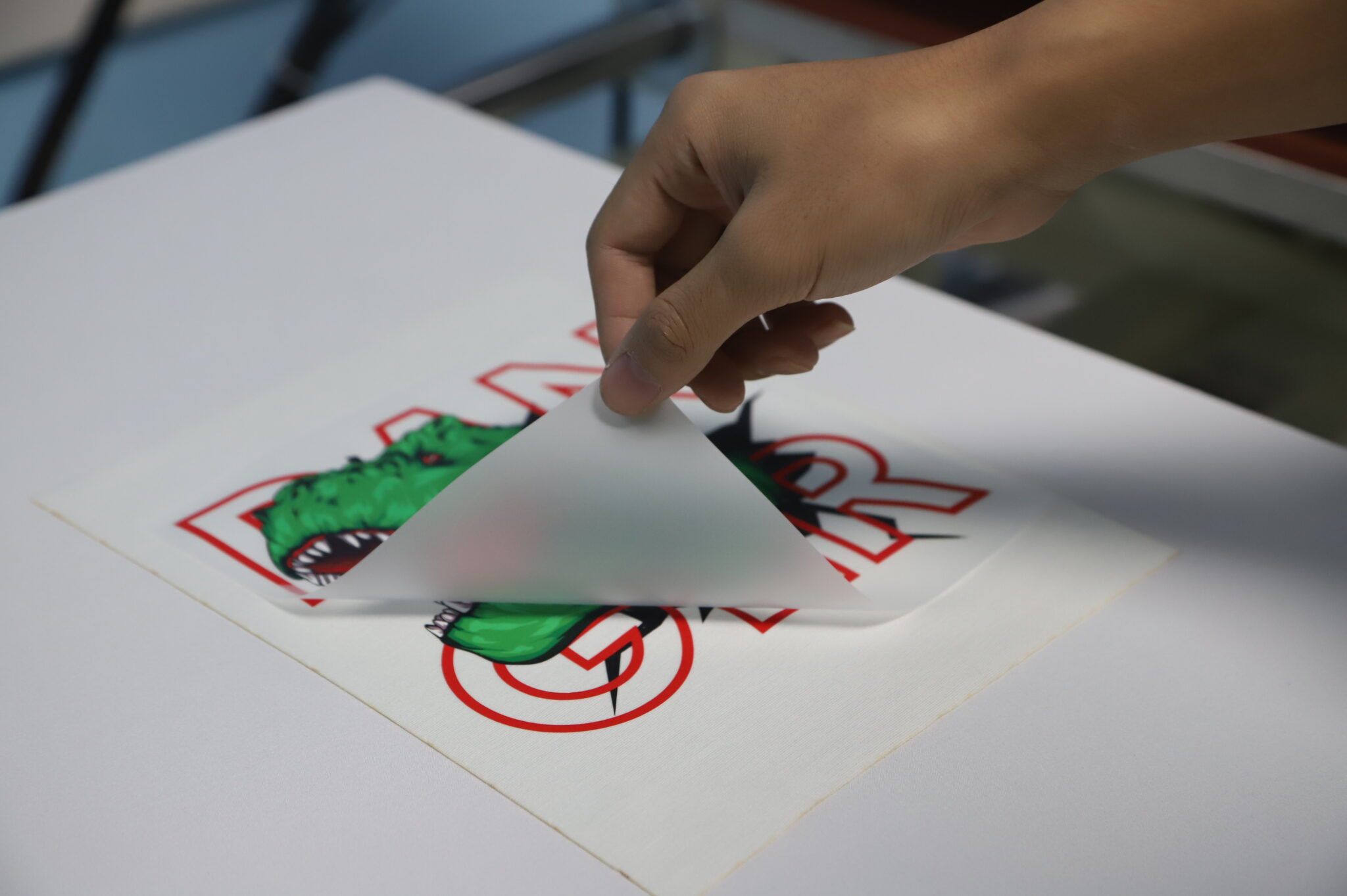
I compare A1 units by what they protect when things go wrong, not what they promise when things go right. Hold up—features age fast, but safeguards scale. I’ve seen an A1 bundle listed at mid-tier on paper, then beat a “flagship” because its powder shaker had a more even spread at 42 cm/s and its cure tunnel held ±2°C under load. That cut rejects by 6.4% in a Memphis run last August, saving a full shift. When you review any a1 dtf printer price, weigh it against three forward-facing metrics: total ink yield per liter (real prints, not lab claims), downtime per 100 production hours (including maintenance and nozzle recovery), and PET film waste rate measured roll-to-roll. If a vendor can’t show logs—or you can’t simulate a 200-print dark-cotton batch with full white underbase—walk. Wait. Compare the airflow pattern in the cure zone, ask for a rip-test with fine halftones at 600 x 1,200 dpi, and note whether the white ink circulation is active during idle. These checks forecast your true cost curve better than any rebate. The near-future shop (ours included) will standardize on smarter white management, better decoupled heat zones, and RIP presets that lock color with less trial-and-error. Semi-formal take, human result: fewer reprints, steadier nights, less babysitting. My closing advice for wholesale buyers is simple and measurable—judge the machine by how it spends your next thousand dollars, not your first. Track ink yield per liter, downtime per 100 hours, and PET waste rate as your north stars; if those three trend right in your pilot week, the rest follows. I’ll share logs if you need a template, and you can sanity-check specs or pricing mentions with Xinflying—no fluff, just numbers and working floor notes.
