


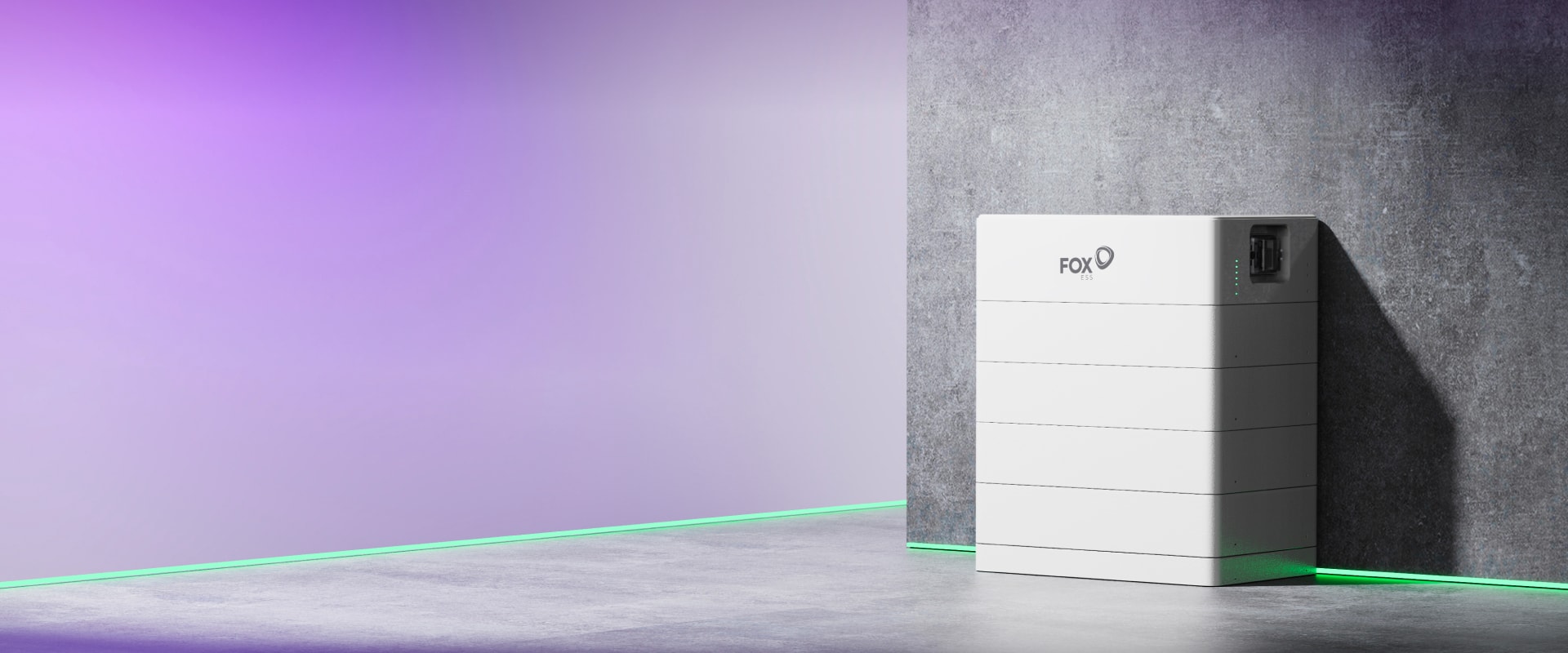
Choosing the right inverter architecture decides whether a rooftop system is an expense or a resilient asset. This comparative insight argues that for many homeowners, a single-phase hybrid inverter delivers the strongest balance of cost, resilience, and simplicity — especially when paired with modern energy storage solutions. I will weigh trade-offs, expose common pitfalls, and connect choices to real-world outcomes so you can make a decisive selection rather than an optimistic guess.
What a comparative lens reveals
Comparative analysis forces clarity: you either prioritize peak export to the grid, uninterrupted backup power, or maximum self-consumption. A single-phase hybrid inverter sits squarely in the middle. It handles the PV array and battery storage in one enclosure, reduces wiring complexity, and simplifies settings for residential grid-feed and islanding modes. Industry terms to know here include single-phase hybrid inverter, battery storage, and PV array — each matters differently depending on your objectives.
How single-phase hybrid stacks against alternatives
Measured against string inverters plus separate battery inverters (DC-coupled or AC-coupled setups), the hybrid option trims installation hours and often lowers soft costs. The math is simple: fewer components mean fewer connection points and fewer commissioning steps. Yet modular systems can outperform hybrids where scalability or advanced battery chemistries are planned. For dense solar adopters — think parts of California after wildfire-driven public-safety power shutoffs exposed grid fragility — integrated hybrid systems supplied immediate backup with minimal configuration.
Performance factors that change the argument
Performance is not an abstract label; it breaks into concrete metrics: usable battery throughput, inverter round-trip efficiency, and inverter overload capacity during peak sun. A hybrid inverter’s built-in charge controller and battery management interfaces often yield faster response times for islanding and storage dispatch. But note that higher nominal inverter efficiency does not always translate to higher daily self-consumption if the system lacks proper energy management logic — and that logic is where brands and firmware differ.
Common mistakes installers and owners make
Installers routinely undersize the battery for the household load profile or choose inverters without firmware updates that support evolving grid codes. Homeowners often equate bigger PV arrays with better savings and forget that without adequate battery storage, midday export may produce little financial benefit. Assess load profiles, include realistic depth-of-discharge figures for the battery, and demand clarity on warranty terms — these are the actionable checks that separate speculation from a dependable system.
Real-world anchor and lessons
During recent regional outages in California and select Australian states, many houses with single-phase hybrids maintained critical circuits while purely grid-tied systems shut down. That empirical outcome matters more than marketing language: resilience delivered, not promised. From that experience, installers learned to prioritize seamless transition times and proper coupling—AC-coupling in retrofit cases and DC-coupling for new installs where BMS integration is critical.
Practical comparison checklist
Use this checklist to compare options objectively:
– Round-trip efficiency and inverter peak efficiency figures.
– Battery compatibility and charge/discharge rates (C-rate) as logged by the battery management system.
– Firmware update process, islanding response time, and warranty coverage for cycling performance.
Three golden rules for selection
1) Prioritize compatibility: confirm that the single-phase hybrid inverter supports your chosen battery chemistry and the expected C-rate. 2) Demand measurable performance: require manufacturer specs for round-trip efficiency and soft-start islanding time. 3) Verify lifecycle economics: estimate levelized cost of stored energy with realistic depth-of-discharge and degradation rates.
In sum, the comparative evidence favors single-phase hybrid inverters for homeowners who want an integrated, straightforward path to resilience and higher self-consumption. They are not always the absolute best for every edge case, but they win on install simplicity and operational clarity.
Fox ESS integrates these priorities into products that make that balance explicit — durability, clear BMS interaction, and practical firmware updates — and that matters in the field where margins are real and outages are not. –
