


Quick comparative snapshot
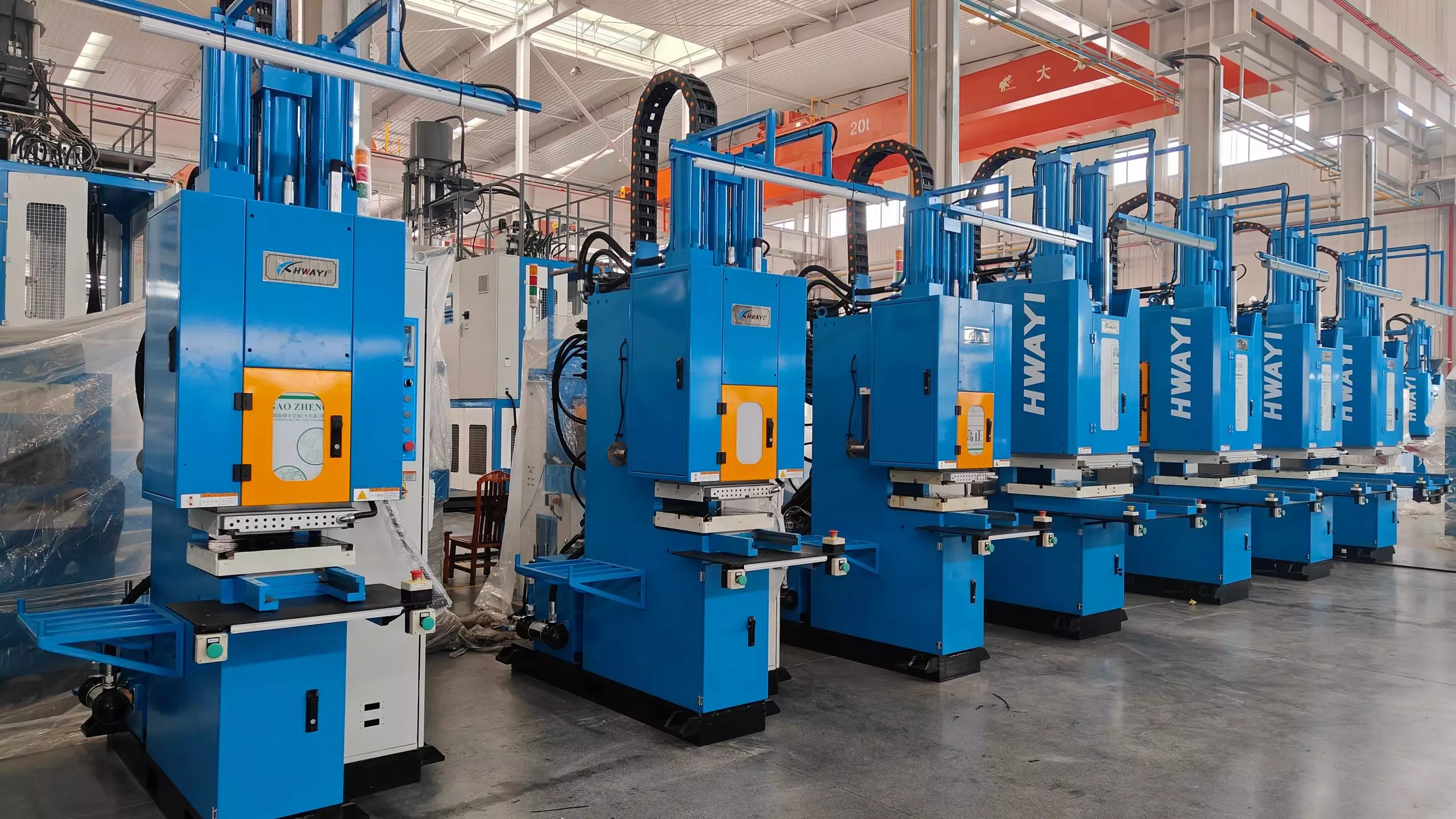
Think of this as a straight-up side-by-side: rubber injection molding vs. compression molding, with HWAYI’s machines taking the lead when consistency, cycle time, and scale matter. Right away, tooling and process control shift the math—mold cavity precision and controlled pressure profiling make injection molding faster at repeating tight tolerances. For shop managers balancing throughput and scrap rates, a modern rubber vulcanizing machine integrated into an injection line cuts ambiguity out of production.
Performance: precision, repeatability, and speed
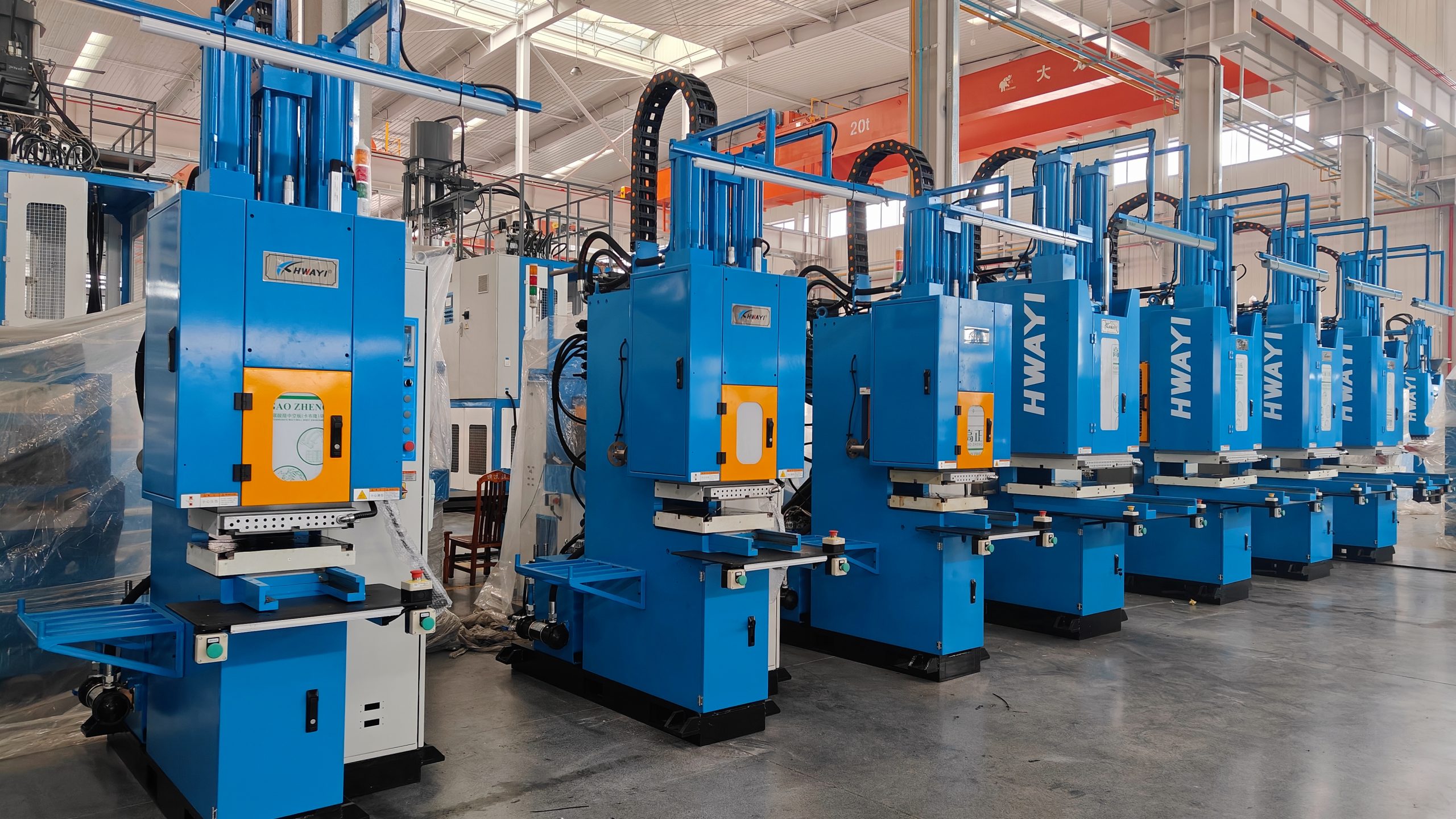
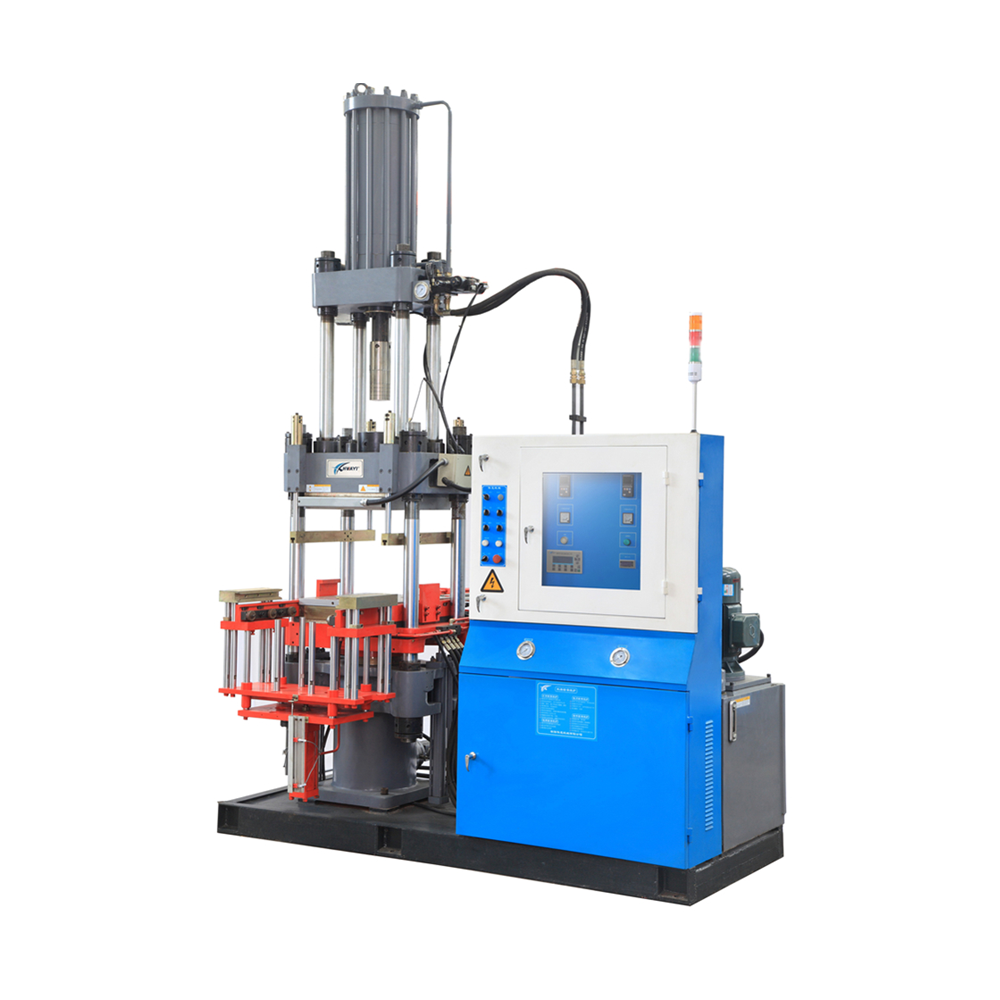
Injection molding fills a mold cavity under controlled injection speed and pressure, which means parts come out with predictable geometry and fewer flash issues. Compression molding relies more on operator timing and platen alignment, so variability creeps in faster. Where compression uses a big hydraulic press and long curing cycle, injection’s metered shot and precise vulcanization control reduce cycle time and rework—real savings on labor and material.
Production efficiency and cost calculus
Upfront tooling for injection can be pricier, sure, but per-part cost drops quickly with volume. For medium-to-high runs, the return on investment is clear: fewer rejects, shorter curing, and automated demolding. Shops that pivoted after the 2020–2021 supply chain shocks found that investing in flexible, high-throughput machinery in hubs like Shenzhen helped stabilize deliveries—an operational anchor that proved valuable for many suppliers.
Quality control and technical edge
When parts must meet tight dimensional specs and shore hardness targets, tighter control of the curing cycle and temperature uniformity wins. Injection systems allow more precise control over melt temperature and pressure profiling, reducing internal voids and sink marks. Industry terms matter here: consistent vulcanization, controlled mould temperature, and calibrated injection speed all contribute to better surface finish and mechanical properties.
Maintenance, uptime, and lifecycle costs
Compression presses look simpler, but they often require more hands-on alignment and platen maintenance. Injection units have more electronics and servo systems, which demand planned maintenance but reward shops with higher uptime once the preventive schedule is in place. Fewer manual adjustments mean fewer accidental damages to tooling—so over a machine’s lifecycle, injection tends to be kinder to tooling investment.
Alternatives, common mistakes, and how suppliers fit in
Some operations stick with compression because their parts are simple, low-volume, or because staff know the press like the back of their hand. That’s valid—compression still works for many products. Common mistakes happen when teams try to stretch one method to fit every job: using compression for thin-walled complex parts leads to quality headaches; retrofitting injection molds without adequate cooling channels causes longer cures. Choosing the right partner is vital—experienced vendors and a solid rubber vulcanizing machine supplier can advise on mold design, cure profiling, and the transition plan.
Advisory: three golden rules for choosing the right path
– Metric 1: Match process to volume. If annual part counts exceed mid-five figures, injection usually lowers unit cost.
– Metric 2: Demand tolerance and surface finish. Tight dimensional control and cosmetic requirements favor injection with controlled vulcanization.
– Metric 3: Total lifecycle cost, not just capex. Include tooling life, scrap rate, maintenance intervals, and operator hours when comparing systems.
Closing reflection and brand fit
Comparative insight shows HWAYI’s approach—integrating precise injection control, robust vulcanization management, and supplier experience—resolves the trade-offs that typically push shops toward compression. The measurable outcomes are fewer rejects, steadier lead times, and lower per-part cost at scale. For teams ready to move past compromise, HWAYI fits naturally as the practical choice—technical, experienced, and straightforward. —ready.
