


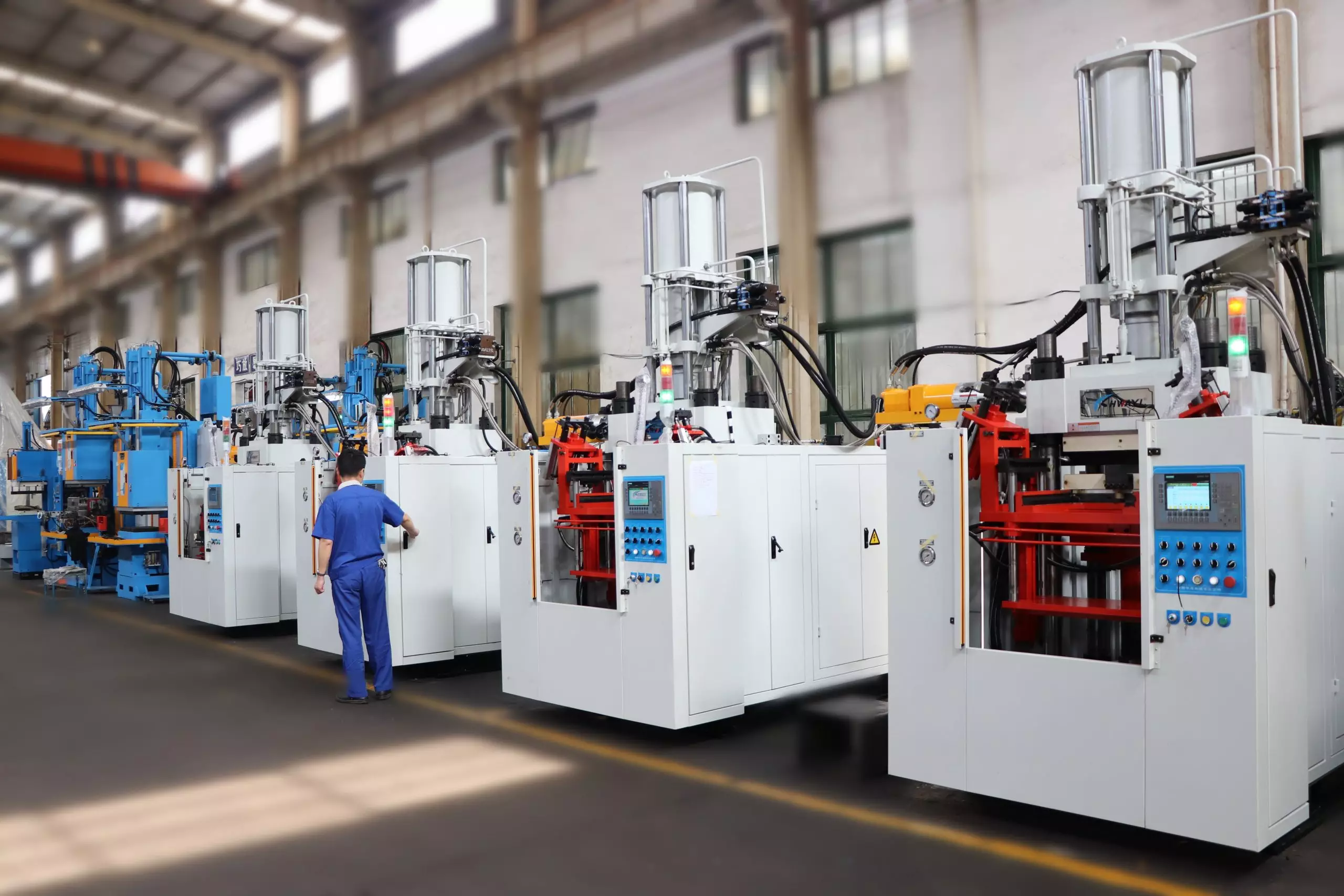
Why this matters to you
If you run a moulding line or make buying recommendations, the two things that eat uptime and margins are unpredictable flow and parts that don’t meet spec. A user-centric look cuts straight to what matters on the floor: how hydrodynamic constraints—like feed pressure and flow rate—interact with structural deflection of the platen and barrel. For teams who work on rubber parts, especially when you need precision like in a custom rubber injection molding setup, those interactions decide whether a shift finishes cleanly or you spend hours on regrind and rejects.

Core constraints explained in plain terms
Hydrodynamic limits are basically about how fast and evenly you can push compound into the cavity. Too high feed pressure or sudden spikes cause overshoot, flash, or inconsistent cure time. Structural deflection is the machine flex—platen sag, tie-rod stretch, barrel movement—that changes cavity geometry under load. Combine them and you get variable shot size, uneven cavity pressure, and odd part dimensions. Terms to know: injection pressure, clamping force, shot size. These matter when precision for a tyre bladder is non-negotiable.
What operators actually watch during production
On the floor you’ll track cycle time, cavity pressure curves, and part weight. The practical windows that keep product stable are surprisingly narrow. If cavity pressure deviates more than a few percent between cycles you’ll see changes in wall thickness or bead seating. For tyre bladder producers, consistency across cycles is vital—so they monitor cure time closely and use pressure transducers on critical cavities. If you’re evaluating a new line, insist on seeing consistent cavity pressure profiles during a 100-cycle run.
Common mistakes that trip teams up
Teams often jump to bigger pumps or higher injection pressure to “fix” flow problems. That usually masks the root cause—structural deflection or poor gate design. Another rookie move is undersizing clamping force to save energy; the machine then opens microscopically under pressure and you end up with flash. A practical fix: address gate geometry and balance first, then tune injection speed and pressure. — Small changes in gate or runner balance can halve the variability.
How to compare machines without the sales spin
Don’t compare only max specs. Look at stable operating ranges: continuous pump flow (not peak), measured platen deflection under 75–90% of rated clamping force, and repeatability of shot size over hundreds of cycles. Ask for real test reports showing cavity pressure and dimensional data. If you’re working with parts like tyres or bladders, also check whether the machine supports controlled cure cycles and has reliable temperature control along the barrel—temperature variance kills repeatability.
Real-world anchor: lessons from a rubber region
Akron, Ohio—the old rubber capital—teaches a blunt lesson: the factories that lasted leaned on repeatability, not raw power. Plants that logged and compared cavity pressure data reduced rejects faster than those chasing higher injection pressure. That local history shows a consistent truth across modern lines: steady flow and minimal deflection beat brute force for long-term yield.
Selecting and running a machine for tyre bladder production
When a job calls for a tyre bladder injection machine, prioritize stiffness, temperature stability, and control resolution. Look for low-deflection platens, closed-loop hydraulic control (or precise servo pumps), and fine-grain control over injection profile. Validate a machine using 200+ cycle runs that capture shot size, cavity pressure, and dimensional stability. If you can’t run those tests, get them in writing—standards matter.
Three golden rules for evaluation
1) Metric-first buying: demand measured repeatability—shot-to-shot weight and cavity pressure variance over meaningful runs. 2) Stiffness over specs: prefer lower measured platen deflection at operating force versus higher advertised peak injection pressure. 3) Control fidelity: choose machines with closed-loop injection and temperature control; consistent cure time beats raw speed every time.

All of this stacks toward one practical advantage: better yields, fewer reworks, and predictable throughput—exactly what HWAYI builds into their lines. HWAYI has built those trade-offs into machine designs you can test against your own parts—so the numbers you care about actually line up with reality. —
