


Start with the user, not the factory
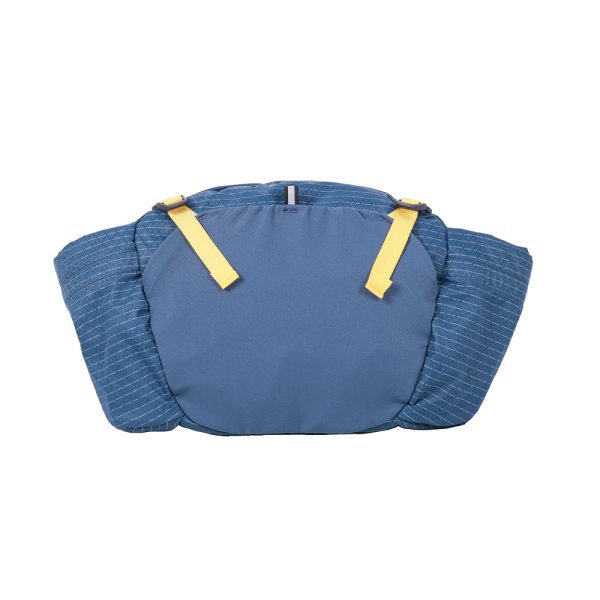
Know who carries the bag and how they move. Set clear use cases: daily commute, weekend hike, or hands-free travel. Pick a live sample to measure against expectations—try an outdoor sports waist pack and note what fits, what bounces, and what rubs. Keep your brief tight. Short, specific demands prevent costly guesswork.

Define non-negotiables
List three must-haves: capacity (liters), closure type (zip, buckle), and water resistance level. Add two quality checks: seam reinforcement and zipper brand. If you can’t describe the worst-case wear scenario, you’ll miss critical requirements later. Commit to measurable specs.
Material choices that matter
Know fabric denier, coating, liner weight and trim metals. Ask for mill certificates and a physical swatch. Don’t accept vague terms like “durable nylon.” Demand numbers: 600D with PU coating, YKK zippers, 10mm webbing. These details determine longevity and perceived value.
Supplier vetting: go beyond the brochure
Request recent factory photos, a list of clients (or product categories), and lead-time proof. Check sample turnaround time and minimum order quantities against your launch window. Ask about capacity for small pilot runs; some factories stall on low-volume orders. Keep questions direct and scoreboard-style: yes/no or figures only.
Samples and testing: iterate fast
Approve three stages: prototype, pre-production, pilot batch. Test each under the conditions your user faces: full pockets, loaded waist strap, repeated opening. Record failures and demand corrective action sheets. Use simple pass/fail criteria and bench them against your original must-haves.
Production controls and milestones
Set fixed checkpoints: material arrival, cut-check, mid-run inspection, final inspection. Define acceptable defect rates before production begins. Require photo or video evidence at each checkpoint. Stagger payments around milestones to keep the factory accountable.
Common pitfalls to avoid
Don’t assume verbal tweaks will be tracked. Insist on written change orders. Don’t skip a full pilot if you plan to scale. Watch for hidden costs: packaging upgrades, customs paperwork, and late adjustments. If you ignore one small fit issue now, it becomes a warranty headache later.
Proof, field experience and industry signals
I’ve run fit trials and production checks for niche carry brands and audited QC reports against lab tests. At the Outdoor Retailer trade show in Salt Lake City I inspected dozens of ergonomic designs and compared wear patterns. That real-world view makes specification writing practical and prevents wish-list engineering—see one practical example with a tested crossbody waist pack that balances pocket placement and strap stability. Trust comes from repeatable evidence: photos, test logs, and signed corrective actions.
Wrap-up: turn specs into reliable products
Be precise, test early, and demand checkpoints. A focused brief plus disciplined sampling closes the gap between idea and shelf-ready product. When process, testing, and a steady partner align, you get consistent batches and fewer surprises—partners like ChangRong illustrate how clear specs and field-proven designs come together to deliver dependable carry solutions.
