


Introduction
Define the goal first: steady light, clean lines, fewer headaches. Many wall lamp manufacturers promise that, yet the gap between brochure and site work can be wide. When you choose a wall lamp supplier, the real test is not a glossy photo but how the system behaves after month six. Picture a hotel corridor retrofit. You have 120 fixtures, an energy target, and strict fire and IP rules. Data shows lighting can be 17–25% of a building’s energy use, and call-backs spike when drivers run hot (thermal management again) — funny how that works, right?
So, here is the question: Which partner gives you durable light without hidden costs? The answer is not only a catalog. It sits in driver topology, lumen maintenance, and service flow. We will compare choices by outcomes, not claims. Short, direct, and focused — then we move forward.
The Hidden Friction Behind a “Simple” Buy
What’s the real snag?
On paper, the fixture looks simple. A plate, a diffuser, an LED board. In practice, pain points hide in the details. Dimming curves that flicker at low levels. Drivers with poor power factor that trip older breakers. Finishes that fail salt-spray near the coast. Traditional quotes rarely show these risks. Many specs list watts and CCT but skip surge protection, driver MTBF, or IP rating under real heat. Look, it’s simpler than you think: if the supplier cannot state L80 at 50,000 hours at 40°C, you will pay later in labor. And yes, “universal voltage” with weak power converters is not universal at all.
There is more. Install teams lose time because brackets vary by batch. Facility staff struggle when firmware for smart nodes is locked. A hidden one: glare. UGR is missing, then guests complain, and now you add film or lower output. That hurts luminous efficacy and the vibe. The fix starts upstream. Ask for a mock-up under your actual line voltage and dimmer. Confirm driver IC brand, PWM frequency, and surge level (4 kV is a sane floor). When these basics click, the rest tends to work — funny how that works, right?
From Specs to Signals: New Principles That Cut Noise
What’s Next
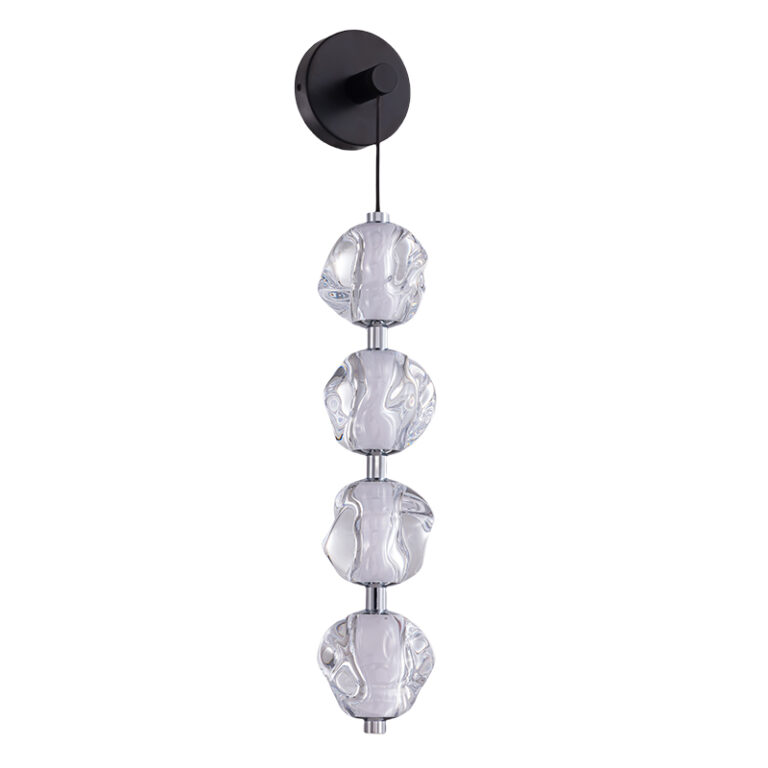
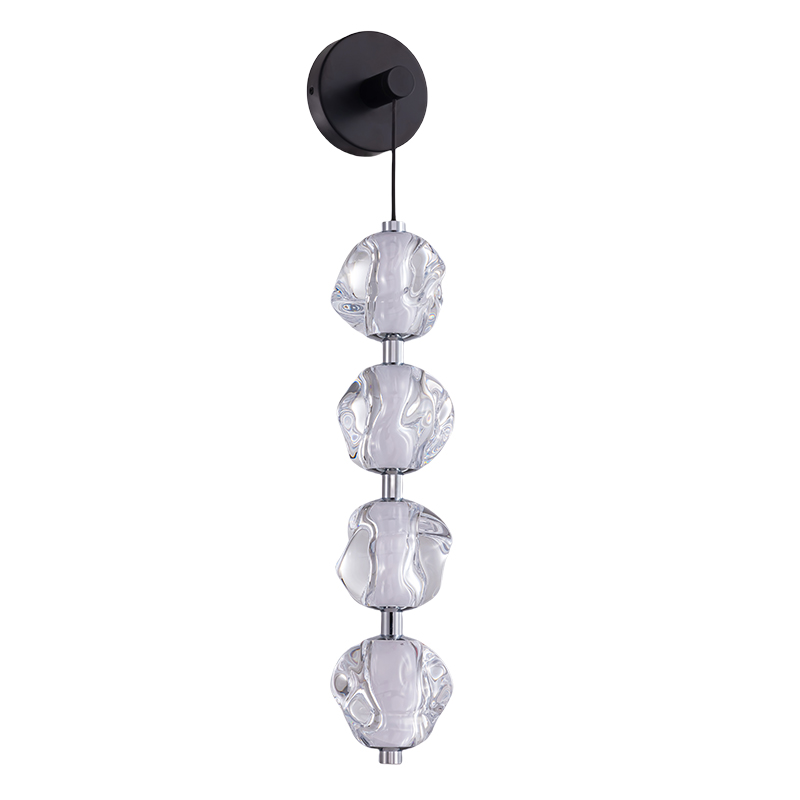
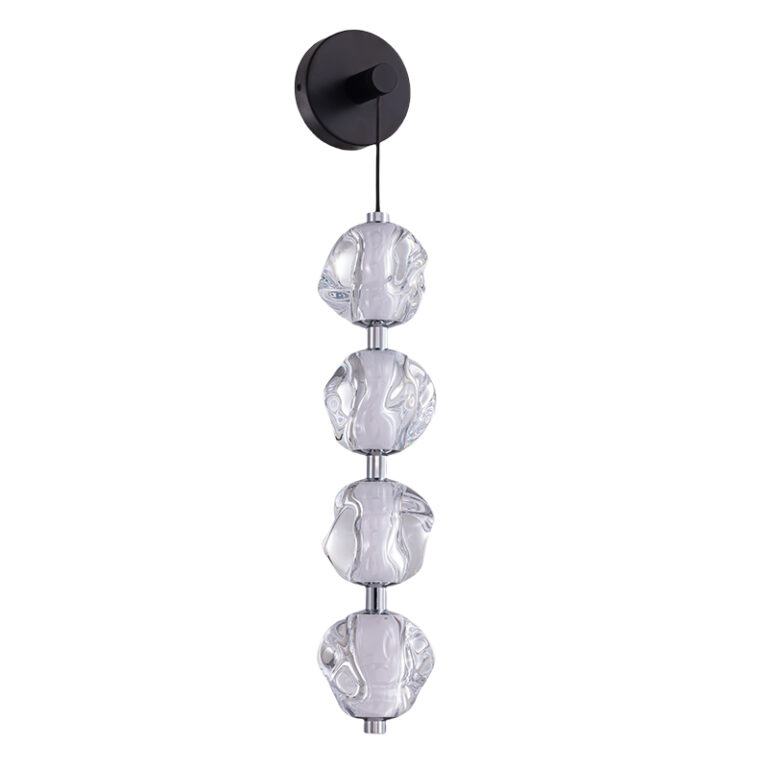
Let’s shift to what reduces risk going forward. New driver designs use better thermal paths and active power factor correction, so loads stay stable on mixed circuits. Edge computing nodes in the fixture manage scenes locally. That means smoother fades if the network blips. Materials also move ahead: powder coats rated for high salt, and optics that control beam angle without harsh hotspots. Even in decorative pieces like crystal wall lamps, improved diffusion reduces sparkle glare while keeping punch. Semi-formal tone aside, the principle is simple: verify the stress case, not the best case.
Compare by process, not claim. Does the supplier provide a thermal photo at 25°C and 40°C ambient? Can they show driver derating curves and inrush current data? Are replacement modules keyed, so maintenance is tool-light? When those signals are clear, you can plan labor and power budgets with confidence. The bonus: fewer site calls, cleaner schedules, and steady lumen output (L70 and L80 matter in corridors and patient rooms). You get a better experience without overspend or guesswork—because you are testing the future state, not the brochure state.
Decision Metrics That Matter
To select well, keep three metrics on one page. First: Electrical resilience. Check surge protection rating (≥4 kV), power factor ≥0.9, and inrush current per fixture. These reduce nuisance trips and driver stress. Second: Thermal and optical stability. Ask for L80 hours at 40°C, driver MTBF, and glare control metrics like UGR or shield angle. This protects comfort and lifetime. Third: Service clarity. Confirm spare-part codes, bracket standardization, and firmware update access. That saves labor and avoids vendor lock-in. If a partner is strong on two but weak on one, you will feel it on site. Balance is the win. And when a brand shares real test data, installation notes, and a clean bill of materials, you can trust the path from plan to light. In the end, the best choice is the one that keeps people safe, rooms calm, and costs steady — the rest is noise. For teams who value that kind of practical rigor, names like kinglong tend to surface naturally.
