


Introduction — A Shop Floor Wake-Up Call
I once walked into a small assembly room and watched a technician wipe his eyes between solder joints — and I felt a chill. Fume extraction for electronics and industrial applications sits at the center of that scene: visible smoke, invisible harm, and machines that keep running. Recent surveys show many shops still rely on basic fans or distant roof vents, leaving workers exposed and processes inefficient (it’s maddening). So what can we do right now to protect people and keep product quality high?
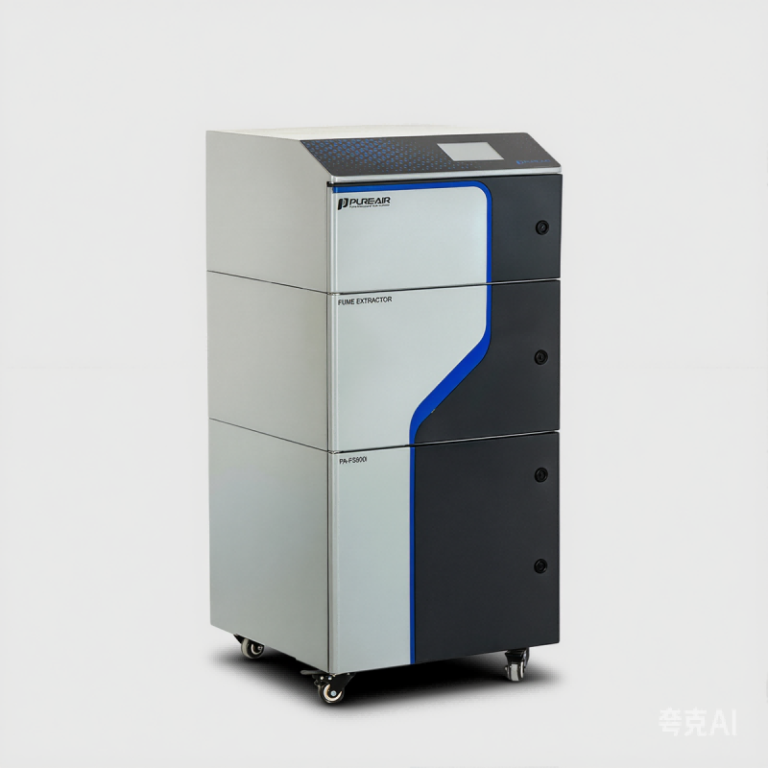
I want you to imagine this like a training session. We warm up, we focus on technique, and we get results — fast. You can shut down leaks in minutes, improve air quality by measurable amounts, and cut rework. Ready to sweat a little for big gains? Let’s break down why old fixes fail and what you should actually demand from your next fume extraction upgrade.
Part 2 — Where Traditional Solutions Slip and Burn
Start with the basics: traditional extraction often means one fan, one duct, and hope. In computer and electronic product manufacturing, that hope turns into uneven capture, contaminated work surfaces, and frustrated staff. I’ve seen systems sized for a full room but positioned poorly at the bench — that’s the core flaw. The physics are simple: without local exhaust and proper airflow balance, fumes escape before the fan can do its job. Look, it’s simpler than you think — bad capture equals bad results.
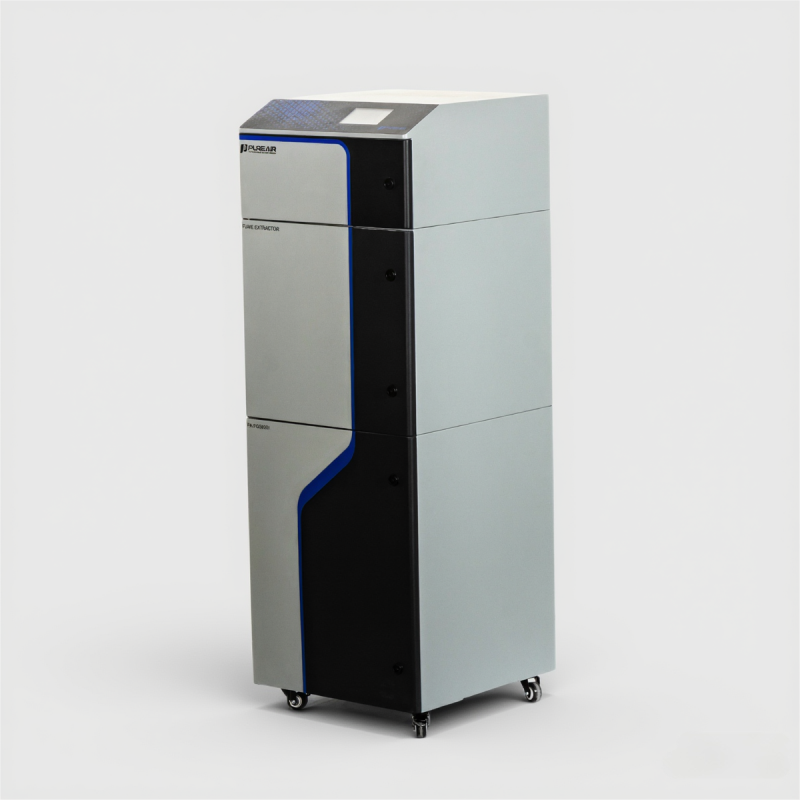
Why do old systems fail?
Here’s the technical breakdown. Many legacy setups miss three things: targeted capture, filtration suited to solder fume chemistry, and consistent airflow control. They use too-large ducts so velocity drops, or they rely only on HEPA-style filters without activated carbon for organics. Add failing maintenance schedules and poor sensor placement, and you’ll get recurring odor issues, particulate settling, and downtime. I name names: inadequate local exhaust ventilation and mis-specified HEPA filters are common culprits. When you understand these failure points — capture hood geometry, filter selection, duct velocity — you can fix them.
We also need to talk about hidden user pain. Operators complain about noise, restrictive layouts, and the hassle of filter swaps. Managers worry about cost and space. Those are real barriers that push teams back to quick fixes. I’ve helped shops redesign bench hoods and route ductwork so maintenance becomes predictable and quieter — morale improves. The fix is not always high capital. Often, it’s smarter placement, better sensors, and a proper mix of particulate and gas filtration.
Part 3 — New Principles and Practical Choices for the Next Generation
What’s next is about principles, not hype. In future-ready setups for computer and electronic product manufacturing, I focus on three guiding ideas: local capture, matched filtration, and intelligent controls. Local capture means bringing the hood or snorkel to the source — not expecting room pressure to save you. Matched filtration pairs HEPA for particulates with activated carbon or chemisorption media for volatile organics. Intelligent controls use airflow sensors and simple logic to keep capture reliable without wasting power. — funny how that works, right?
What’s Next?
Technologies like variable-speed blowers, low-profile bench hoods, and modular filter cassettes make upgrades feasible in small shops. Edge-style monitoring — simple sensors near solder stations — can tell you when capture slips. You don’t need a massive overhaul to see gains; pilot a bench upgrade, measure reduction in airborne particles and odors, then scale. I prefer phased rollouts because they show quick wins and buy-in from operators. Real-world results: lower scrap rates, fewer complaints, and a calmer floor.
Before you pick a solution, evaluate these three key metrics: capture efficiency at the source (percent of plume removed), total cost of ownership (filters, energy, labor), and operational ergonomics (noise, accessibility). Score each option and choose the one that balances safety and workflow. We’ve seen measurable improvements when teams prioritize those metrics. If you want a partner who understands both shop realities and engineering — check out PURE-AIR. I’m confident the right mix of local extraction, proper filtration, and smart controls will change the room — and the people in it — for the better.
