


Introduction
I once watched a small print shop scramble when a new dye job left the room smelling like a chemistry lab—operators coughing, a worried manager pacing, and a stalled deadline. In shops that use fume extraction products, that can still happen more often than you’d think: many facilities report frequently exceeding safe VOC and particulate levels (simple OSHA and local guidance aside). So what really goes wrong when a system that’s supposed to protect people and prints simply doesn’t? I’m going to walk you through a real scenario, share some plain data about common failures, and ask the question every shop owner should be asking: are we solving the right problem, or just reacting? Let’s dig in—this gets practical fast.
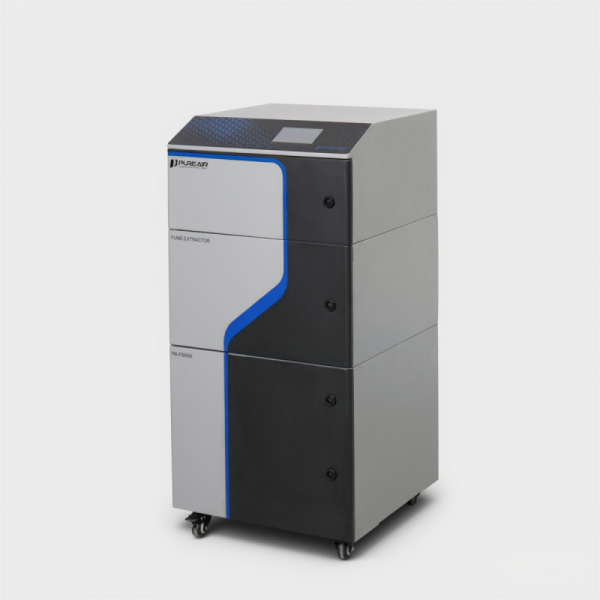
Why Traditional Extraction Often Fails for Inkjet Printing
inkjet printing brings its own messy mix of solvent vapors, fine particulates, and odorous compounds. I’ve seen cases where a standard hood, paired with a basic fan, simply couldn’t keep up. The flaw isn’t always power; it’s design mismatch. Too-small capture zones, wrong duct layouts, and filters that saturate quickly are the usual suspects. Add in intermittent duty cycles and you get spikes of exposure—bad for staff, worse for print quality.
What’s the hidden snag?
Here’s what I notice most: people assume one-size-fits-all. They pick systems based on price or claimed CFM, not on capture velocity at the nozzle or static pressure losses through long ducts. HEPA filters and activated carbon are helpful—no argument there—but if the airflow path isn’t aligned with the source, contaminants escape before the filter even gets a chance. Airflow sensors report numbers; they don’t tell you whether the airflow is capturing the plume where it matters. Look, it’s simpler than you think: match capture geometry to the print process, and design for filter loading rates. — funny how that works, right?
New Technology Principles and a Practical Outlook
Moving forward, I favor solutions that blend smart control with mechanical basics. For inkjet environments we need systems that monitor plume behavior in real time, adjust fan speed, and signal when filter media is near end-of-life. That means combining sensors (airflow sensors, particle counters) with adaptable control logic—think simple automation rather than full-blown edge computing nodes that add complexity. When we talk about new principles, I mean predictable capture, modular filtration (HEPA + activated carbon staged correctly), and clear maintenance cues.
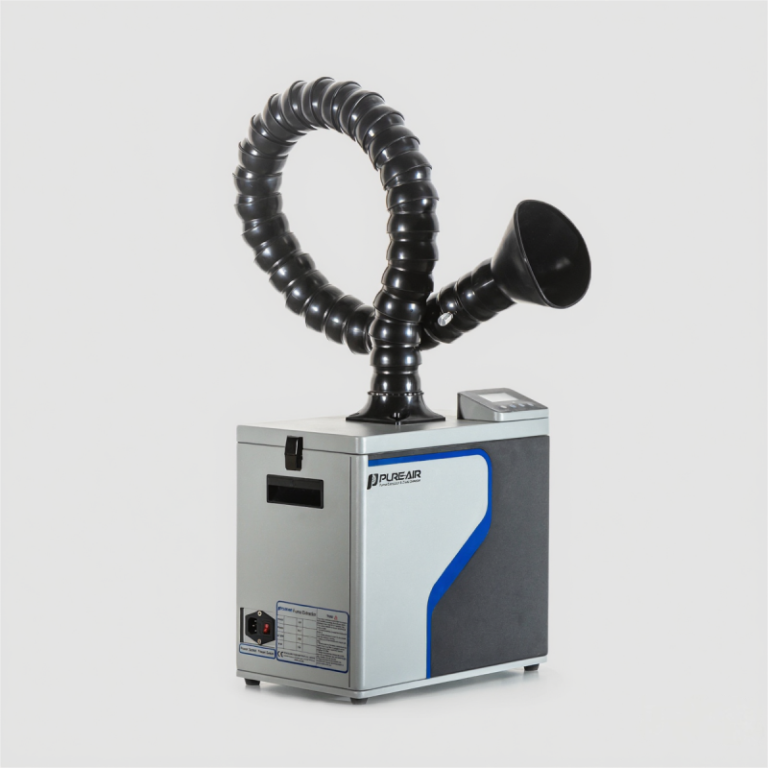
What’s Next — real-world steps
In practice, I’d evaluate systems by three easy metrics: capture efficiency at source (measured close to the jet), sustained CFM under load, and filter life under your actual ink and solvent mix. Testing under real production runs matters — lab numbers rarely match the shop floor. I recommend piloting systems on one press first. You’ll see differences in print quality, smell reduction, and employee comfort. And yes, those benefits often pay back as fewer reprints and less sick leave.
To wrap up: we’ve seen that many extraction failures aren’t about missing horsepower. They’re about mismatched design, inadequate monitoring, and ignored maintenance realities. I believe in practical upgrades—better capture hoods, staged filtration, and simple sensor-driven controls. That combination reduces VOCs and particulates, improves worker comfort, and protects your prints. If you want a partner who understands both the prints and the people, check out PURE-AIR. I’m glad we talked this through—small fixes, real results.
