


Introduction — a quick scene, some numbers, and the question we keep asking
I was on a production floor once, watching operators swap lids by hand while the line ran at 60 units per minute — frustrating to see. That day a lid applicator machine sat idle for half a shift, waiting for a parts changeover. The waste was obvious: time, material, morale. (I still remember the supervisor rubbing his temples.) Around 40% of small-batch lines I’ve audited show similar slowdowns. So I ask: how do we make lid application faster, cleaner, and less stressful for the people who run these lines?
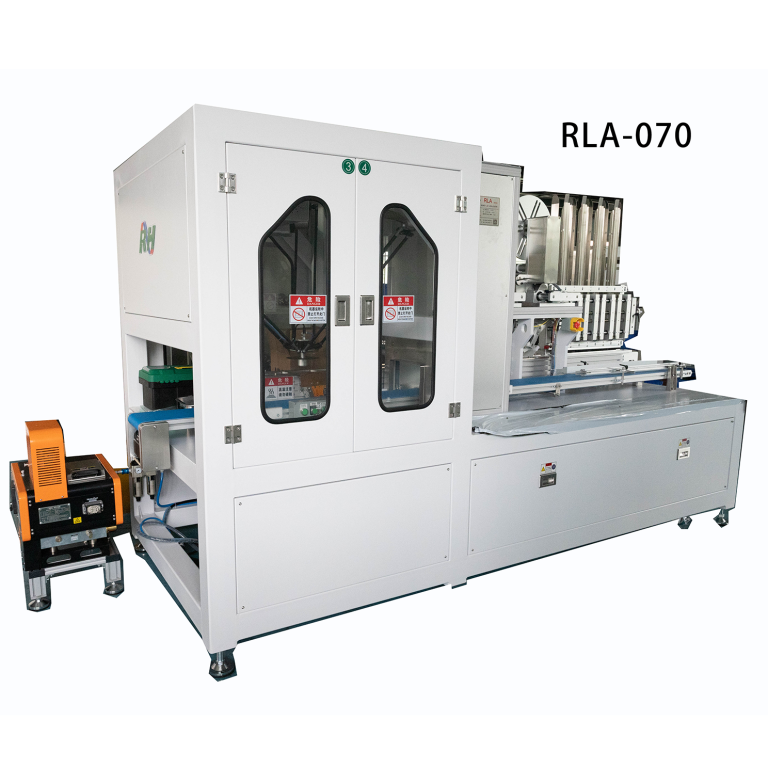
I’ll tell you what I’ve learned, in plain terms, with a few hard numbers and a few choices you can try. My aim is simple: make the machine fit the team, not the other way around. Next, I’ll dig into the hidden flaws that trip teams up — and yes, I’ll point to practical fixes that work on real lines.
Part 2 — Deeper layer: Where the old solutions stumble (technical breakdown)
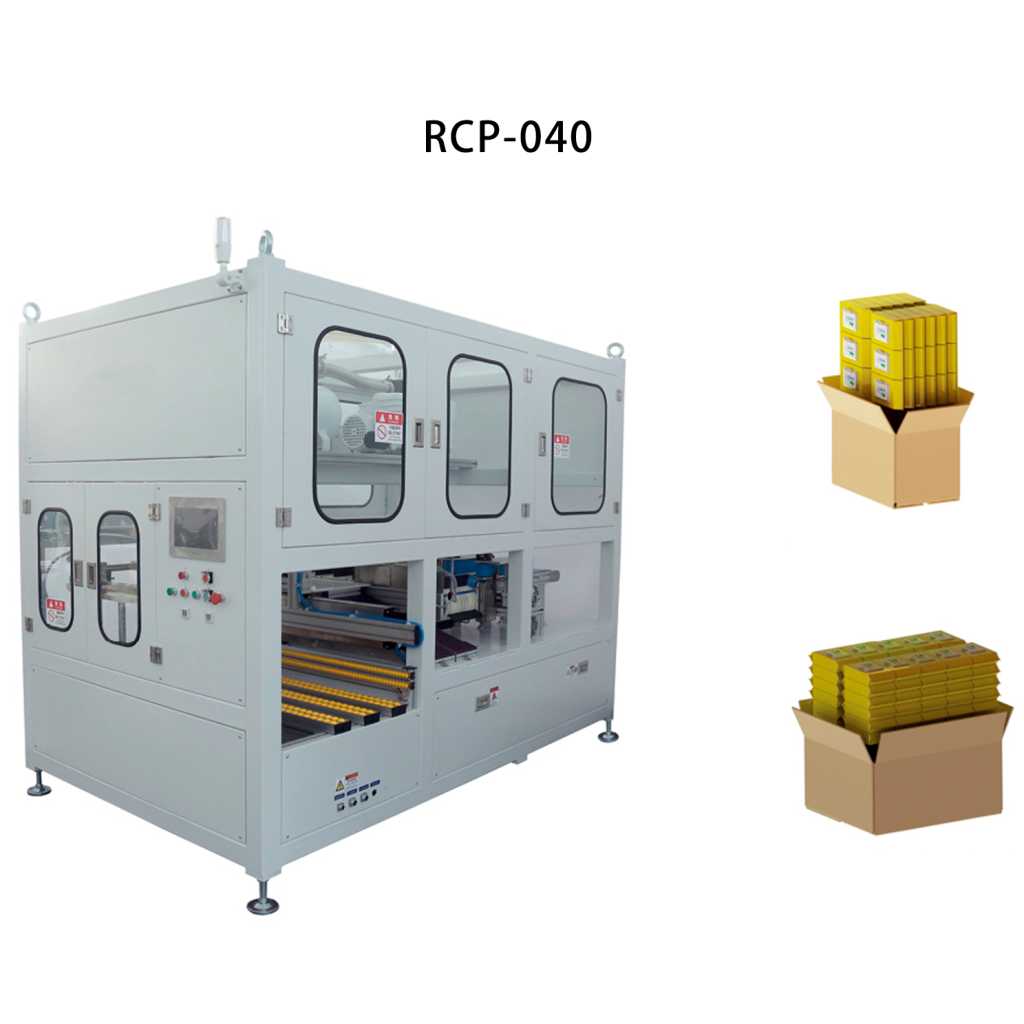
First, let me anchor this in a real reference: many teams reach for a wet wipe packaging machine as if it’s a cure-all. But the common setup often hides trouble under the hood. At the system level, the control stack (PLC logic, I/O mapping) is usually bolted on late. That causes intermittent timing errors when the conveyor speed shifts. Vision system misreads labels. Servo motor mismatches lead to jitter. I’m not saying these are impossible to fix — just that they’re predictable and frequent.
Why do these issues keep popping up?
Design choices. Budget shortcuts. Overly complex changeovers. Look, it’s simpler than you think: teams buy equipment that meets headline specs, not real workflow needs. The pneumatic actuators might be cheap and loud. The sensors are off-the-shelf and mis-tuned. Operators jury-rig tape to keep lids aligned — funny how that works, right? When I walk a line, I watch three things: repeatability of the pick-up, timing between pick and place, and how the machine handles fault recovery. Those are often the first three things to fail under pressure.
Part 3 — Looking forward: Principles for smarter lid application
What I want next isn’t magic. It’s better principles. Start with modular control: let the PLC orchestrate subsystems so a servo motor swap doesn’t need a full reprogram. Add a lightweight vision system that tolerates dust and label variance. Choose tool-end effectors that are quick to change for different lid diameters. These are design shifts, not pie-in-the-sky ideas. I’ve seen a wet wipe packaging machine retrofit where a simple end-effector change cut changeover time by 45% — real gains, real fast.
What’s next is practical: adopt edge diagnostics so you catch drift before it trips the line. Use standardized mounts so teams swap parts in minutes. Train operators on simple maintenance — not just “call a tech” but real hands-on skills. These moves reduce downtime and boost confidence on the floor. I believe they also make the whole plant more resilient — and the staff happier.
Three metrics I use to evaluate lid-applicator solutions
1) Changeover time under real conditions (target: under 10 minutes). 2) Mean time between faults (MTBF) measured over a month. 3) Operator recovery time — how long to get back to full speed after a stoppage. Use these, and you’ll see where a machine is strong or weak. I recommend tracking them on the line whiteboard. Small habit. Big impact.
In short: focus on modular controls, durable sensing, and practical ergonomics. I’ve tested these ideas with teams and seen measurable improvement — less waste, fewer late nights. If you want to explore concrete models and retrofits, check vendors with real field data — I trust companies that share their numbers. For a starting partner, take a look at ZLINK.
