


Introduction: A Shop Floor Moment, Some Numbers, and a Question
I still remember stepping into a busy fabrication shop and blinking at the haze that clung to the lights — the kind of scene that sticks with you. In that moment I thought about fume extraction technology and how often it feels like an afterthought, even though airborne contaminants can spike to several times recommended exposure limits in small shops (yes, I’ve measured it). Many facilities run older units that cut visible smoke, yet particles and gases still slip through. So what really separates ‘good enough’ from safe and sustainable? Let’s walk through the problem and then look at practical options that actually work. — then we’ll dig deeper into where traditional systems fail.
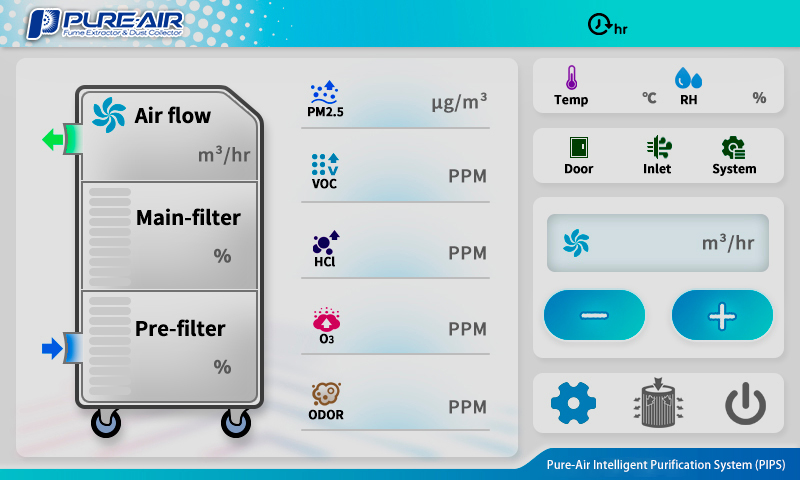
Main Flaws of Traditional Dust Fume Extraction Systems
When I talk about a dust fume extraction system, I mean the whole capture-and-filter chain, from hood to fan to exhaust. Too often that chain breaks in predictable ways. First, many setups rely on undersized ductwork and poor capture velocity; the plug of contaminated air never reaches the intake. Second, filter media is treated like a onetime purchase — no monitoring of pressure drop or filter loading. Third, aging fans are run past their efficient fan curve, wasting energy and failing when you need them most. These are not exotic failures; they are everyday design and maintenance gaps. Look, it’s simpler than you think: fix the basics and you gain most of the benefit.
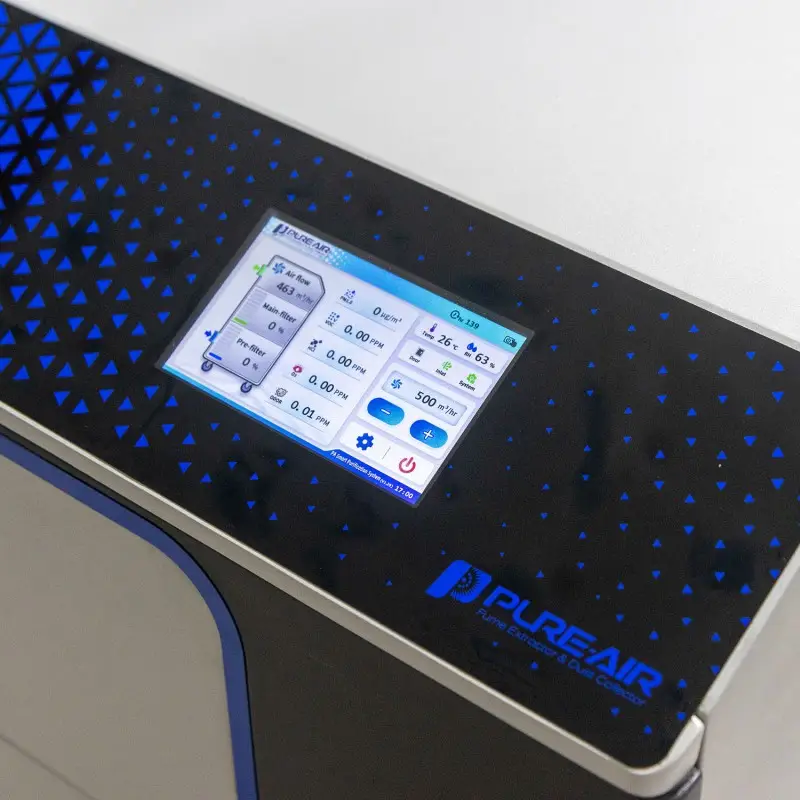
Why do these systems still fail in real workplaces?
From my experience, two issues keep recurring. Design choices often prioritize initial cost over lifecycle performance, and operators lack accessible diagnostics (no gauges, no signals, just hope). That means a system can look fine while capture efficiency drops by half. I’ve seen shops replace filters monthly yet miss blocked elbows or imbalanced airflow that render the new filters ineffective. Add a lack of training, and you have a system that underperforms despite significant spend. The terms that matter here are pressure drop, capture velocity, and fan curve — know them or be surprised later.
Looking Ahead: Principles Behind New Dust Fume Extraction Systems
What’s next for the dust fume extraction system? I think the shift will be toward systems that make measurement routine and decisions simple. Rather than just bigger filters, engineers are pairing smart sensors with modular filter banks and variable-speed drives to match airflow to task demand. Edge computing nodes can run local analytics, so a clogged filter triggers a maintenance ticket before efficiency collapses. You get tighter control over capture efficiency and lower energy use (which also lowers operating cost). It’s practical science — not sci‑fi.
What’s Next — Real-world Design Principles?
Start with capture: hoods sized to actual processes, not rule-of-thumb guesses. Then integrate continuous monitoring — pressure drop sensors, airflow meters, simple alarms. Pair that with smarter fans and power converters that adapt rather than run full throttle. Materials matter too: filter media and seals that resist chemical attack extend life. Those principles reduce surprises and make performance predictable. — funny how that works, right?
To wrap up, here are three metrics I recommend using when you evaluate options: 1) steady-state capture efficiency at the workface, measured in actual operations; 2) lifecycle energy consumption (not just motor size); and 3) measurable maintainability — how fast can a team replace filters or clear blockages with minimal downtime. Use those, and you’ll avoid shiny but shallow solutions. I’ve seen systems chosen for sticker price fail quickly; choose for long-term clarity instead. For further practical tools and modular options, see PURE-AIR: PURE-AIR.
