


Introduction
Clear speech beats clever slides, every time. The conference room speaker and microphone system is the first thing people judge—even before the agenda, la. Teams that move to a compact conference system often see fewer delays and fewer “Can you repeat?” moments (no kidding). Picture this: Monday, 9:00 a.m., hybrid boardroom, three remote offices, and one client on mobile. Data says over 70% of meetings now include at least one remote participant, while a 200–300 ms latency budget already strains natural turn-taking. AEC needs to lock quickly, or cross-talk becomes chaos. So why do rooms still sound hollow, or drop words, or clip the first syllable—funny how that works, right? Is it the gear, the setup, or the way people use it? The answer isn’t one thing; it’s a stack of small frictions. Let’s compare what actually matters and how to fix it, without spending a fortune or rebuilding the room. On we go.
Hidden Pain Points Behind ‘All-In-One’ Setups
Where does clarity leak?
We like tidy devices, but many “all-in-one” bars mask deeper gaps. Beamforming works until the room is wide, then off-axis voices drift. DSP does miracles, but only if gain structure is right. If the noise floor sits high, AEC hunts and pumps. Add a shiny screen, a table full of laptops, and a PoE switch with mixed QoS—now you get jitter and strange drop-ins. Look, it’s simpler than you think: people assume one box solves acoustics. It doesn’t. The room, the mic pickup, and the codec chain must agree. When they don’t, you get clipped starts, breathy tails, and mush at the far end (aiya, very common). The fix starts with coverage, not cosmetics.
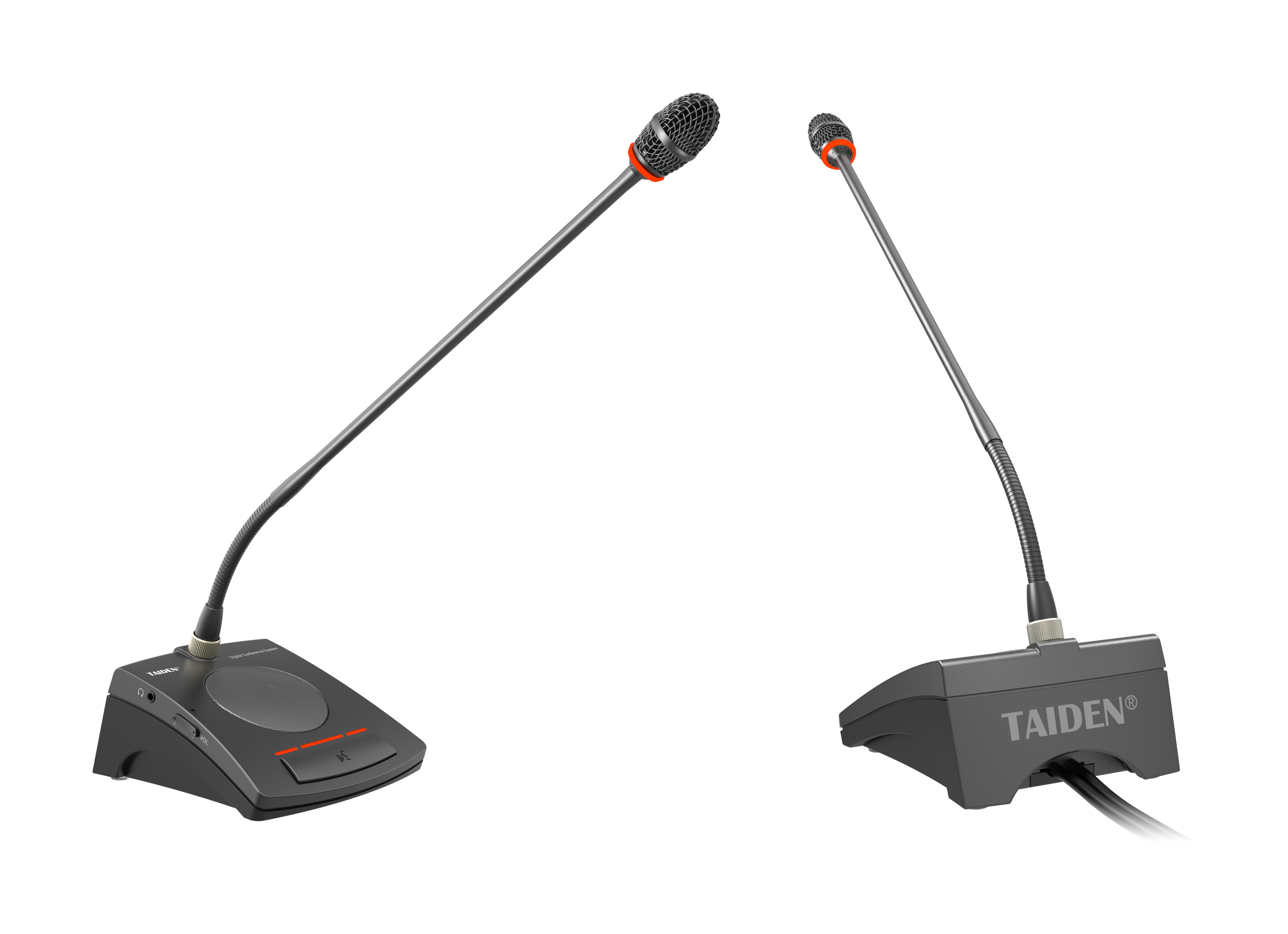
A compact approach helps because it aligns path and purpose. A right-sized mic array covers seats without overshooting glass or HVAC. Short cable runs reduce interference near power converters. Adaptive AEC cuts echo before voices overlap. If you need table mics, choose directional capsules, then tame reflections with light treatment—soft panels, curtains, even bookcases. Keep Dante or AES67 traffic clean and tagged; give the media stream a lane. Then test. Record ten minutes, check sibilants, plosives, and turn-taking. Small wins add up—like moving a mic 15 cm to dodge a ceiling fan swirl. That is the difference between “okay” and “oh, that’s clear.”
Comparative Outlook: New Principles for Smarter Rooms
What’s Next
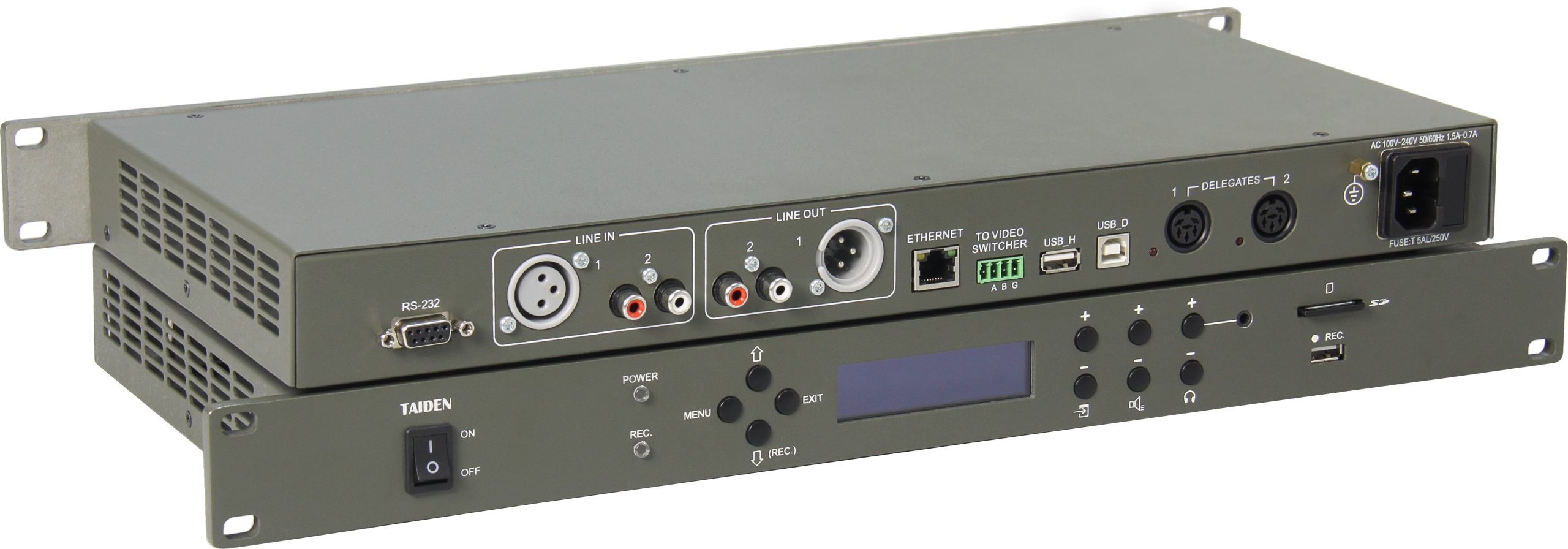
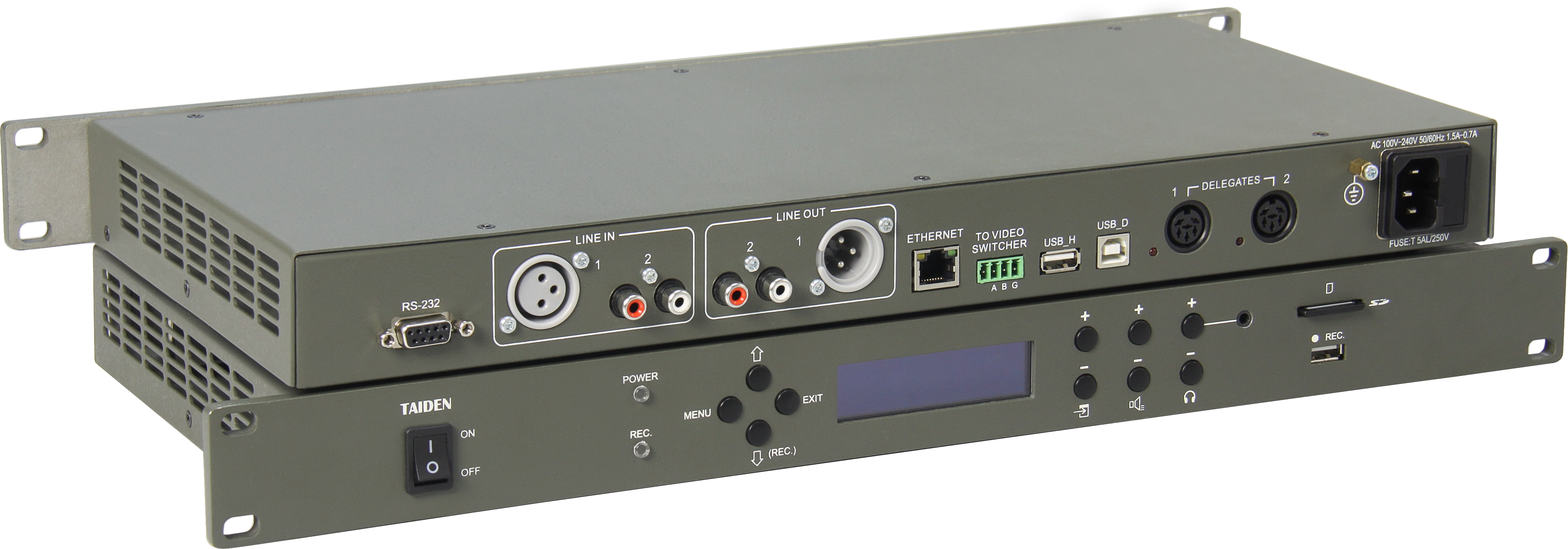
Today’s better rooms follow three principles: local intelligence, clean transport, and predictable power. Local intelligence means the mic array runs on-device models to lock talkers fast—tiny edge computing nodes inside the unit, not in the cloud. Clean transport means networked audio with stable clocking and bandwidth discipline. Predictable power means PoE budgets matched to draw, so devices never brown out mid-call. Pair these with a versatile digital meeting device, and the chain stays tight—mic to codec to speaker—without mystery boxes. Compare that to older stacks: multiple dongles, USB hubs, and untagged traffic. Every hop adds failure risk. Fewer hops. Fewer surprises—funny how that works, right?
So, what should you measure next time you scope a room? First, latency end-to-end under load. Keep the round-trip under 200 ms; aim for 120 ms when screen sharing. Second, coverage uniformity. Target consistent SPL across seats with no dead zones; test soft voices at the edges. Third, manageability. You want health checks, firmware scheduling, and logs you can read (not guess). These metrics let you compare systems fairly, apples to apples, instead of chasing specs that don’t meet your use case. In short: design for talkers, protect the transport, and keep the stack small. That’s how a compact kit beats a bulky rack and still sounds pro. For a steady reference point as you evaluate, see TAIDEN.
