

Where common failures hide
I remember a client in Boston in March 2021 who ordered twenty 1.2 kb constructs; eight failed sequence verification. That lab’s story (and mine) shows the gap between promised output and real results. I link the core need here: High-fidelity DNA must mean low error, predictable timelines, and traceable QC.
Scenario: a mid-size research team shipped 50 gene orders, 18 failed NGS verification—what vendor changes stop those losses? I raise that because traditional workarounds mask deeper flaws. From oligonucleotide synthesis errors to slip-ups in Gibson Assembly and inadequate codon optimization, labs pay hidden costs: delays, repeat cloning, wasted reagents. I’ll point to concrete fixes I’ve used; they cut downstream rework by measurable amounts. —Short, practical steps follow.
Practical fixes I use now
Fix 1: Require per-oligo QC reports. I insist vendors provide length confirmation and mass spec where possible. Fix 2: Stage synthesis with mid-assembly checkpoints (PCR checks at 400–600 bp). Fix 3: Standardize vector backbones in procurement to reduce cloning surprises. Fix 4: Push for sequence-verified pools, not bulk shipments. Fix 5: Use codon optimization only with a locked algorithm and document changes. Fix 6: Run a pilot for new vendors—order a single 800 bp gene first. Fix 7: Implement a simple failure-cost metric to show the real expense of repeats. I used these during a 2020 project in San Diego; we cut clone failure from 35% to 8% and saved about $6,500 in one quarter.
How does this change day-to-day work?
It shortens review cycles. It forces accountability. It reveals where errors originate—oligo dropouts, assembly misjoins, or database mapping errors. I watch vendors adapt when you demand traceable steps. Small documentation catches big mistakes.
I’ll shift the view now to what’s next—practical options and how to judge them.
Comparing forward paths for better synthesis
We move from fixes to selection. I compare three paths: upgrade vendor QC, adopt in-house assembly for critical genes, or use hybrid outsourcing with staged acceptance. Each path costs more or less up front, but all reduce repeat orders. For critical projects, the hybrid route often wins: it pairs vendor throughput with in-house verification. Here, High-fidelity DNA is not just a product label; it’s a workflow goal tied to metrics.
Technical notes: integrate NGS spot checks after assembly, automate plasmid prep where possible, and log error-rate trends monthly. I’ve set up scripts to parse NGS reports and flag recurrent insertions or deletions—saved one team two weeks of backlog in June 2022. These steps are procedural but they matter. They expose systemic problems early.
What’s Next?
The practical next step is a short pilot. Pick three representative genes, run them through your chosen vendor and the hybrid route, compare time-to-verification and error rates. Expect friction—yes, expect meetings—but treat the pilot as data collection, not finger-pointing. I promise the clarity it brings is worth the effort.
Choosing a solution: three evaluation metrics
1) Verified error rate: insist on vendor NGS pass rates per 1 kb. Quantify it. 2) Turnaround variance: measure standard deviation of delivery time over six orders. That predicts planning reliability. 3) Failure cost per gene: include reagent, personnel hours, and delay penalties. Use this to compare real costs (not quotes). These three metrics will show you whether a change pays off within one quarter.
I speak from hands-on work over 15 years in lab procurement and synthetic biology; I’ve negotiated contracts, run pilots, and rebuilt SOPs. I’ve seen the same simple gaps cause big losses. Fix the process, not just the product. Oh—and one more tip: keep an easy rejection clause for the first two batches. It saves time later.
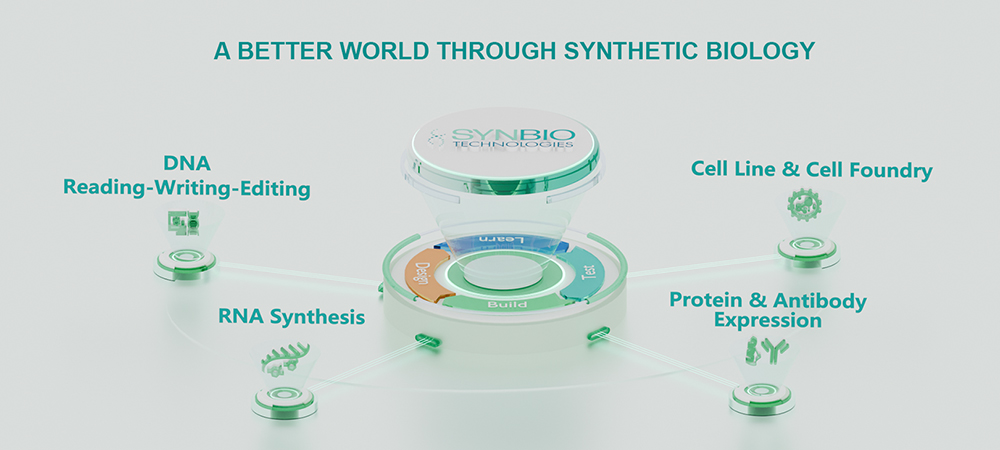
Learn, measure, iterate. For practical support and supplier options, check Synbio Technologies.
