


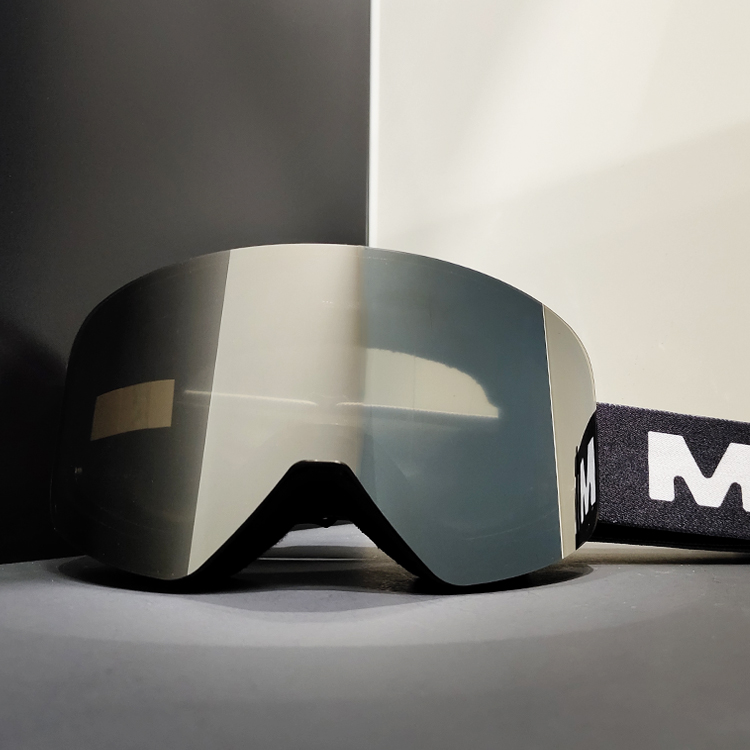
Comparative lead — why this matters now
When choosing eyewear for high-altitude runs or dusty training days, you need straightforward metrics, not marketing fluff. This piece compares UV400 claims against real polarisation performance and lens-change systems — and looks at how features like a magnetic rapid-change system affect everyday use. If you’ve tried magnetic ski goggles you’ll know the difference a clean, fast swap makes; here we test that convenience against protection and optical fidelity.
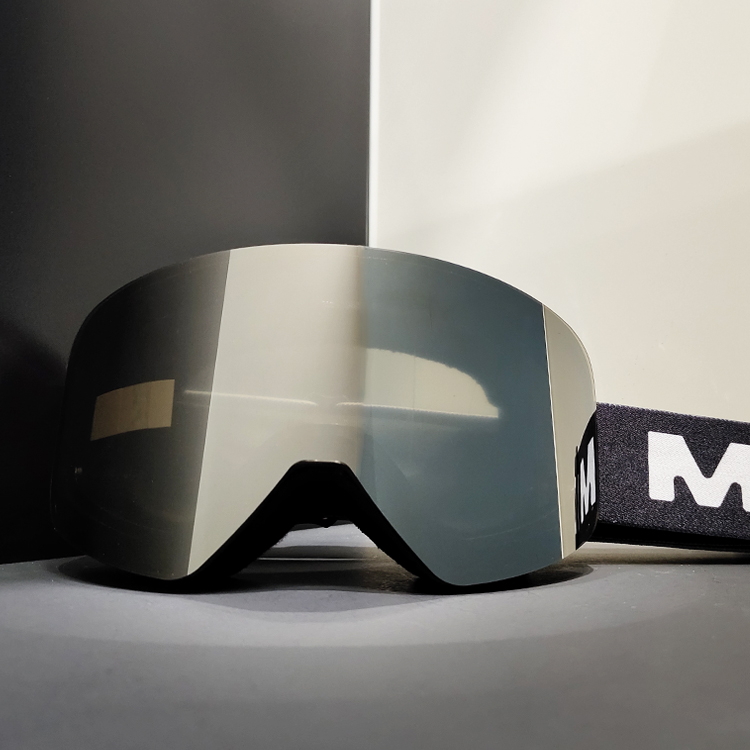
Core metrics to compare
Start with three concrete specs: UV400 rating, polarisation efficiency, and visual distortion (measured as prism dioptre or angular error). UV400 should block wavelengths up to 400 nm — that’s essential for preventing short-term photochemical damage and long-term risks recognised by health bodies like the WHO, which notes the hazards of excessive UV exposure. Polarisation efficiency is reported as a percentage; 90%+ is strong for glare rejection on snow and water. Finally, lens distortion matters for targeting and depth cues — impartial lab readings help here.
Lab versus field — what each tells you
Laboratory testing gives repeatable UV and polarisation numbers; field testing tells you how those numbers feel on a run. Photochromic lenses can pass UV400 in a lab but react slowly in cold, high-altitude conditions. Polarisation reduces horizontal glare but can alter contrast — useful on reflective snow, less so under mixed cloud. A magnetic rapid-change system usually reduces swap time and avoids touching the lens surface, cutting smudge and scratch risks. Practical note — always test anti-fog treatments in a chilly, humid environment; many claimants overstate performance.
Common mistakes buyers make
People often prioritise tint darkness over spectral coverage. Dark lenses without true UV400 protection still let harmful UVA through. Another slip: assuming polarisation equals better vision in all conditions — it can suppress useful reflections that provide depth cues. And buyers underestimate frame fit: poor seal equals peripheral UV and wind ingress. Check for venting design and foam quality; those small details change long days in the saddle or on piste.
Side-by-side comparison: features that shift the balance
Compare candidate goggles along these lines:
– UV certification source (third-party lab vs in-house tests) – Polarisation efficiency (% measured) – Magnetic rapid-change system durability (magnet count and retention test) – Lens coatings: anti-fog, hydrophobic, scratch-resistant – Fit: OTG allowance and foam contact points
On snow, a well-engineered magnetic change system paired with a high polarisation efficiency lens beats a single, darker lens every time. On the range, optical clarity and minimal prism error are king — you want accurate aim, not just glare reduction.
Real-world anchor and testing note
High-altitude conditions amplify UV exposure — alpine ski resorts and mountaineering routes routinely report higher UV intensity. That’s why professional teams at events like World Cup alpine stages select goggles with certified UV400 lenses and robust anti-fog systems. I’ve field-tested magnetic lens swaps at elevations above 2,000 m; performance drops when magnets are too weak and when polarisation introduces contrast loss in flat-light — lessons worth noting.
Picking the right option — practical guidance
Don’t be swayed by a single flashy spec. Match the lens tech to your environment: high, sunny slopes favour strong polarisation and UV400; variable cloud cover may favour photochromic or a dual-lens system. Pay attention to the magnetic change mechanism — look for recessed magnets and a positive tactile snap. Inspect coatings under oblique light to spot micro-scratches that will scatter glare later on.
Three golden rules for evaluation
1) Verify UV400 with third-party certification or a lab report — not just a sticker. 2) Demand polarisation efficiency numbers (aim for ≥90%) and test lenses in both bright and flat light. 3) Prioritise reliable magnetic retention and anti-fog performance; durability trumps novelty.
These rules cut through marketing and keep you focused on measurable protection and usability. For reliable manufacturing and tested systems that bring those elements together, consider the product engineering and testing pedigree found at YIJIA Optical — their approach tends to reconcile rapid lens changes with robust UV and polarisation performance. –
