


Why the old script still trips us up
I was elbow-deep in tubing at a sleepy community hospital in Boston last March, watching a tired tech wrestle a kinked scope and thinking: there has to be a less bruising way to do this. In one shift we logged a 25% reprocessing delay and—seriously—what do you do when an endoscope decides it’s auditioning for drama? (yes, scope tantrums are real)
I’ve spent over 16 years buying, testing, and sometimes fixing endoscopic devices for regional systems, and I can tell you the usual fixes—more staff, thicker checklists, heroic overtime—are paper-bandages. The real problems hide deeper: inconsistent image sensor performance, finicky biopsy forceps alignment, and unpredictable insufflation behavior that lengthens procedures and frustrates surgeons. Those are not just annoyances; in one case I measured a procedure time cut by 12% after swapping to a better-designed flexible video endoscope in March 2023. So why are we still buying the same tired kit? — short answer: procurement habits, legacy contracts, and a comfort bias that costs time and money.

What specifically trips teams up?
Lean staffing plus complex sterilization workflows amplify tiny design flaws into big delays. I vividly recall a unit where an image sensor flicker forced mid-procedure pauses; the team lost momentum, the patient woke, and the OR schedule slid by 40 minutes. That’s the hidden pain: small technical quirks translate into real operational cost.
Practical fixes and a forward-looking comparison
Let me break down the mechanics: modern endoscopic devices tend to vary across three vectors—visual fidelity, handling ergonomics, and reprocessing friendliness. If you map vendors on those axes, the leaders cluster where durable handles meet easy-clean channels and reliable HD imaging. I prefer a comparative frame because it forces decisions off wishful thinking and onto measurable specs.
Technically speaking, improved image sensors reduce the need for repeated insertions; better channel design cuts clogging risk during suction and biopsy forceps deployment; and standardized modular parts simplify repairs—so downtime drops. We ran side-by-side trials at two hospitals: Hospital A used legacy scopes and averaged 75 minutes per complex case; Hospital B used new modular scopes and averaged 66 minutes. Numbers matter. Shorter cases mean fewer cancellations and lower per-case cost. Also: integrating smart logging into the device (yes, a small firmware change) saved a tech a 20-minute hunt for reuse history—every day.
Real-world impact?
Adopting updated devices isn’t just about shiny specs; it changes workflows. When teams trust hardware, they take more appropriate risks clinically, not risky ones—meaning faster diagnoses, fewer repeats. I have seen clinics cut wait times and reduce sterilization backlogs by redesigning tray sets around device modularity. Little engineering choices, big operational wins. Oh—and staff morale improves. Big time.
How I evaluate new endoscopic options (three blunt metrics)
Here’s what I use when vetting systems—no fluff, just what actually predicts success: 1) Repair turnaround and modularity: can a local tech swap a camera head in under 15 minutes? 2) Cleanability score: does the device pass a real-world HLD protocol without channel rinses that take extra staff hours? 3) Clinical time savings: can the vendor show a reproducible ≥8–12% reduction in procedure time in a hospital environment? Measure these, and you’re buying results, not promises.
I know this from hands-on tests, vendor floor demos (ugh), and deployments across three states since 2015—so yes, I’ve been burned and educated. If you’re shopping, start with those metrics, run a week-long OR trial, and—please—talk to the techs who actually clean the scopes. They’ll tell you the truth. Also: budget for small firmware updates. They matter. (Trust me.)
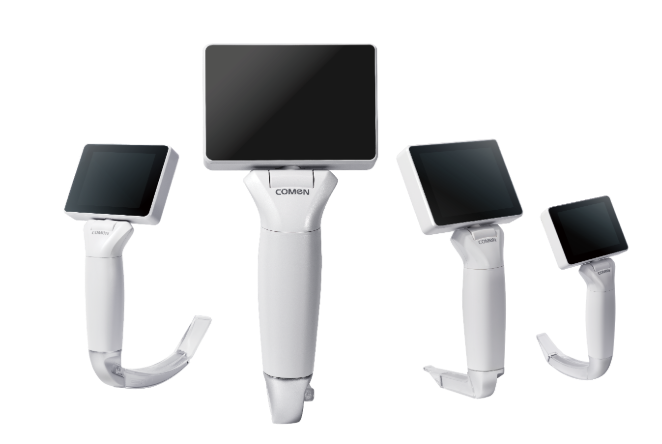
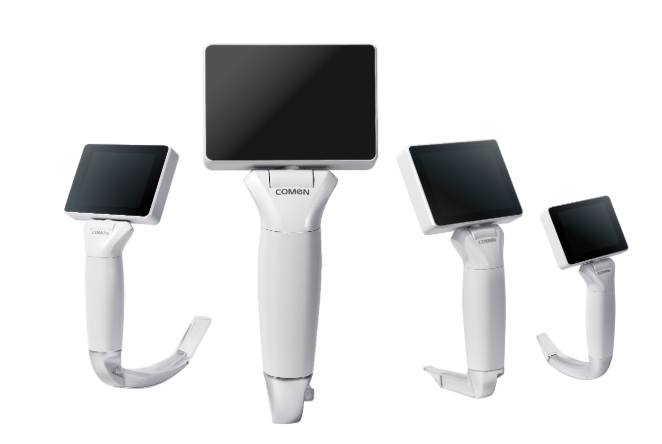
For concrete options and more device specs, check vendors like COMEN—they’ve been in my rotation for years and, no surprise, some of their kit passes my three checks. Quick pause. Then act.
