

Introduction: A Night Crowd, Bright Numbers, and a Simple Question
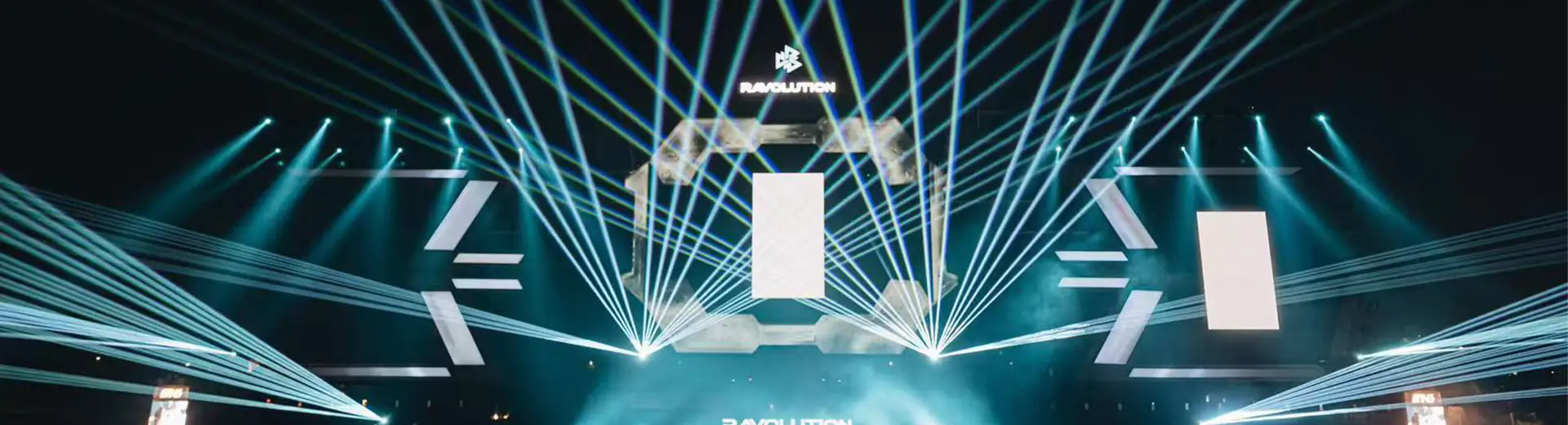
I was at a beach festival when the sky cracked open with color and lines. The laser lights cut across the sea breeze like threads of neon. A survey later said 74% of attendees remembered the visuals more than the headliner—wild, ya? But here’s the question: if the crowd loves the show, why do so many events still struggle with flicker, haze washout, or safety zones that go wrong (and budgets that run over)? We think it’s only about brightness, but it’s not. Venue geometry, beam divergence, even the operator workflow—these play a big role, lah.
Let’s break the hype and see what makes a rig smooth, safe, and worth the spend—then compare what’s changing next.
Hidden Flaws Behind the Glow: What Your Laser Light Show Machine Isn’t Telling You
Why do good rigs still fail?
Technical first, straight to the point. A laser light show machine can look high-spec on paper, yet stumble in the field. The common pain points hide in the pipeline: unstable power converters that add ripple noise, galvanometer scanners pushed beyond safe acceleration, and coarse control over optical attenuation when haze density shifts. Many teams still drive cues over legacy DMX protocol alone, so timing drifts when network traffic spikes. In big venues, poor control over beam divergence means beams bloom and lose definition across long throws. The result is soft edges, weird scan lines, and audience scanning zones that fail compliance checks.
Then there’s the human layer. Operators juggle playlists, geometry masks, and safety interlocks under time pressure. When alignment drifts, small errors compound. Edge computing nodes are often missing near the stage, so processing sits far from fixtures, adding latency. Look, it’s simpler than you think: most “mystery glitches” come from three gaps—dirty power, under-tuned scanners, and brittle network clocks. Fix those, and even mid-range hardware behaves like a champ. Yet rental kits keep mixing vendors without a shared calibration standard—funny how that works, right?
Next-Gen Direction: Principles That Raise the Bar
What’s Next
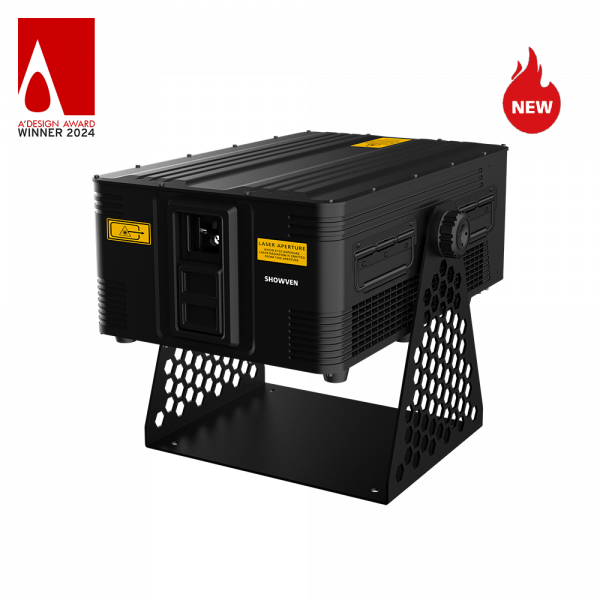
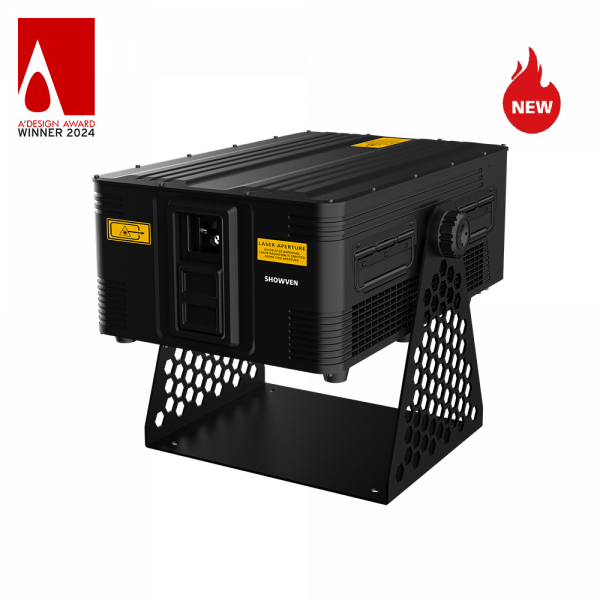
Now, take a forward look—semi-formal, but practical. The shift is toward systems that self-correct and self-measure in real time. Think laser diodes paired with on-board IMUs and temperature probes, feeding a control loop that adjusts scan speed and modulation depth as the venue warms up. Add precise beam shaping and lower beam divergence optics, and you get lines that stay razor-sharp at distance. A modern laser light display projector can also embed phase-locked timecode and PTP clocking, so frames land on beat, not just close enough. With IP65 housings, outdoor rigs survive salt air and drizzle without ad-hoc wraps—less fuss backstage, fewer surprises.
Under the hood, you’ll see smarter power supply design with active PFC and better power converters, so you avoid ripple that shows up as micro-flicker. Galvanometer scanners get predictive braking to prevent overshoot on tight corners. Safety interlocks talk to the show controller, auto-sculpting no-fly zones based on live crowd density—no more manual redraw mid-show. And control stacks layer Art-Net/sACN with OSC for granular parameter control, while small edge computing nodes near the truss cut latency. Compared to the older “set it and hope” model, this is continuous feedback. It reduces operator stress, maintains compliance, and keeps creative intent intact—funny how reliability unlocks creativity, right?
Before you choose a path, use three clear metrics. Advisory, simple, can or not? One: geometry integrity—measure beam sharpness across throw distance and scan angles (look for consistent spot size and clean corners). Two: synchronization stability—verify timecode lock and frame jitter under traffic, not just in an empty network. Three: safety and serviceability—test how fast the system enforces safety interlocks and how easily you can calibrate masks after rigging shifts. If a rig scores strong on those, specs like raw wattage and brochure brightness stop being the main story. They become enablers, not crutches. For brand context without the sales pitch, see Showven Laser.
