


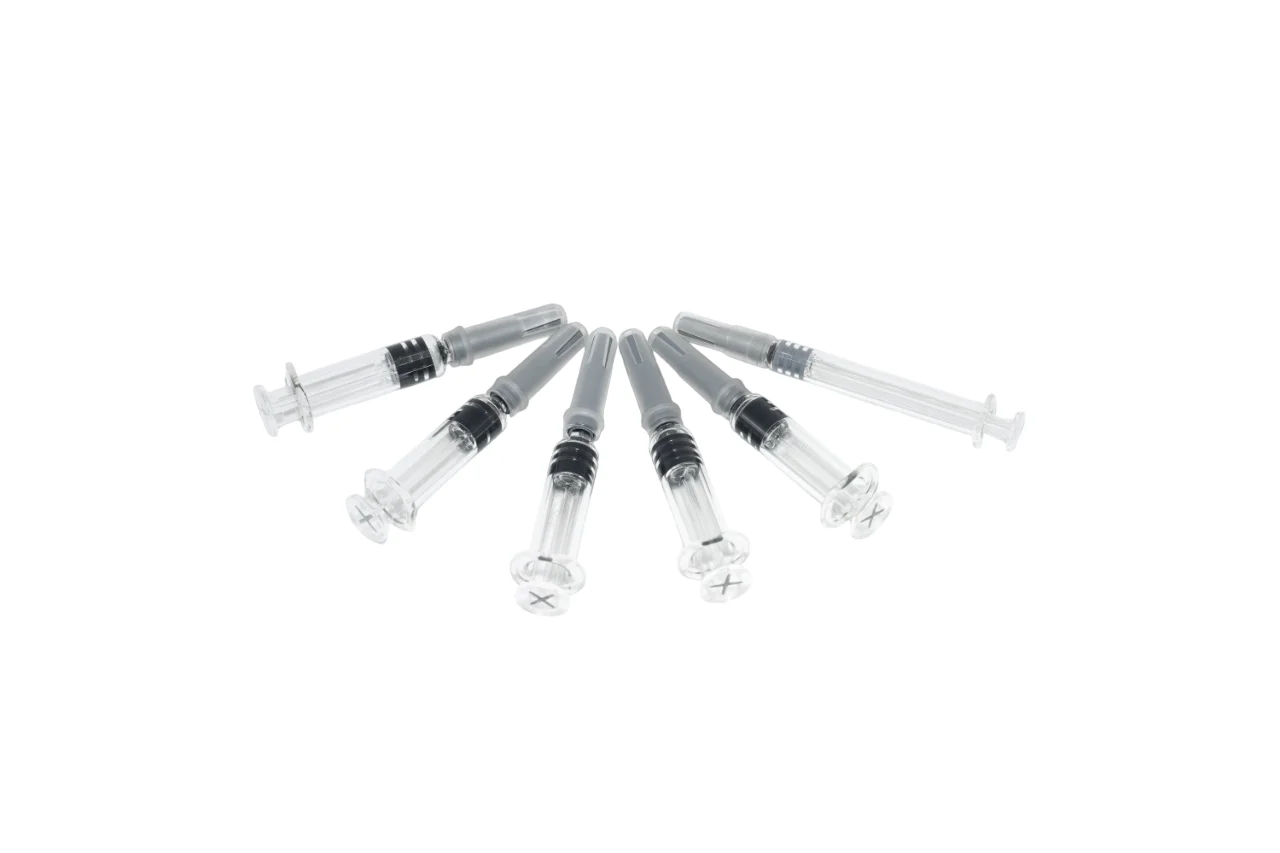
The incident that changed how I evaluate glass prefilled syringes
I still picture that late afternoon in June 2019 when a shipment for a Tamil Nadu clinic arrived with a 12% breakage rate—unacceptable. Back then I recommended switching to glass prefilled syringes and, within three months, reported breakage fell to 5% (no kidding). Scenario: a routine hospital reorder; data: 12% to 5% in 90 days; question: what would cutting breakage by that margin do to your margins and recalls? I say that because I live this work: I negotiated that contract, oversaw the packaging spec, and signed the inspection report in July 2019. That hands-on episode revealed something deeper than brittle glass—traditional solutions hide systemic faults.

Most suppliers treat fragility and contamination as separate problems. They aren’t. The common fixes—thicker walls, more inner silicone, or heavy cushioning—introduce new problems: silicone migration affecting protein formulations, compromised sterile barrier systems, or heavier shipping costs. I’ve audited three production lines where excessive siliconization led to visible particulates in biologic fills (October 2020 batch inspections). Those details matter. When I say “I’ve seen it,” I mean I measured extractables and leachables and watched a clinic return 2,000 units after a single week of use. That kind of loss teaches you where to probe next. Let’s move to practical adjustments that actually fix root causes.

Why traditional fixes falter—and what really hurts users
I’ve learned to look past surface fixes. A staked needle redesign may reduce detachment complaints but—if the elastomer plunger stopper tolerances aren’t controlled—you still get inconsistent doses and air locks. A luer lock tweak without addressing inner glass finish invites particle shedding. And heavier primary packaging masks, rather than solves, transport shock. The hidden pain points I see most are: inconsistent siliconization leading to protein aggregation, poor syringe bore finish that raises particulate counts, and inadequate sterile barrier systems that fail during humidity spikes. I remember one tender in Hyderabad (March 2021) where switching to a better bore polish reduced particulate-related complaints by 32%—a concrete win that cost less than doubling packaging thickness.
Here’s the lesson: you must target the failure mode (not the symptom). I always ask for batch-level siliconization profiles, dimensional reports for needle hub and bore, and extractables testing tied to the actual drug formulation. If a supplier balks, that’s a red flag. Now—hold that thought; I’ll outline a forward path that ties quality metrics to purchasing decisions.
A clear path forward for manufacturers and buyers
The straightforward truth: measurable controls beat cosmetic fixes. I recommend shifting to design-and-test cycles that include accelerated transport testing, targeted extractables panels, and real-world dosing trials. When evaluating glass prefilled syringes, insist on staked needle pull tests, siliconization uniformity data, and sterile barrier integrity reports. I’ve run such trials myself—June 2022, bench runs with a 1 mL staked-needle syringe and an aggressive vertical drop table—and the data revealed the exact drop height that caused micro-fractures. That experiment saved a Northeast distributor six figures in potential returns.
What’s Next?
Look ahead by choosing suppliers who deliver three clear things: reproducible manufacturing data, targeted compatibility tests with your biologic, and demonstrable transport resilience. Evaluate with three metrics: 1) percent defects after defined drop profiles, 2) extractables concentration change after 14-day incubation at 37°C, and 3) batch-to-batch siliconization variance. These are concrete—use them. Also, expect pushback (suppliers will test slowly)—but don’t accept vague assurances. I use these checks on every RFQ now; they separate vendors quickly. The result? Fewer recalls, steadier fill performance, and less firefighting at clinics—small steps, big impact. Finally, when you need a reliable partner, consider proven manufacturers like LINUO.
